Managed Services vs. Staff Augmentation: A Closer Look

The global managed IT services market is expected to exceed $300 billion USD by 2027, and its growth has been steady so far. Clearly, more and more businesses are choosing to rely on managed service providers (MSPs) to handle their IT needs.

But is it necessarily the best option for your business to opt for a fully managed IT service option? While many companies do this, many other businesses (who already have an element of in-house IT expertise) sometimes choose to simply augment their existing IT staff with help from an MSP.

The tricky thing is how to know which option is right for you. Managed service vs. staff augmentation for your company becomes the million-dollar question.

Well, in this blog we’re going to help you answer that question for yourself by breaking down all the main differences between staff augmentation vs. managed services, as well as explaining the main advantages and disadvantages of both managed services and staff augmentation.

What Are Managed IT Services?

In managed IT services, the MSP provides the full range of IT support and management for a company. The MSP acts as your company’s IT department, handling everything from setting up and maintaining hardware and software to cybersecurity and data backups.


Ready to Learn if Managed Services Might Be Right for You?

Schedule a free consultation with us and we can identify what your IT needs really are together!


Learn More


Often, managed service providers offer 24/7 support for their clients, which can be especially helpful for companies with global operations, long-term projects, no in-house team or those that cannot afford any downtime on their systems.

What Is IT Staff Augmentation

Staff augmentation is when a company brings in additional outside expertise to supplement its existing in-house staff members

This could include hiring temporary employees or contracting freelancers on an as-needed basis. In terms of managed IT services, it would mean bringing in external help for specific tasks or projects rather than outsourcing the entire management and support of your company’s technology. 

The advantage of the latter choice is that the business doesn’t have to undergo a full hiring process, which allows them to save time in the short term

One of the main benefits of staff augmentation is that it allows for a more customizable approach to IT support, as companies can bring in external help only for the specific projects or tasks they need assistance with.

Managed Services vs. Staff Augmentation: The Pros and Cons of Each

Staff Augmentation vs. Managed Services

When it comes to comparing the difference between staff augmentation and managed services, there are several important distinctions of which to be aware.

Here we break down the primary pros and cons of each choice:

The Pros of Managed Services

1. Reliability

With managed services, you’re able to outsource the management of your company’s technology to a team of professionals who are experts in their field and can provide full-time support. This allows for greater reliability and peace of mind that your IT systems are always being managed effectively.

2. Cost Predictability

Managed service providers typically offer monthly flat fees or service packages, rather than charging by the hour like in staff augmentation. This can increase your cost savings and make budgeting and forecasting easier as there is less uncertainty about your IT costs.

3. Enhanced Security

Cybersecurity threats are constantly evolving, and managed service providers are able to stay on top of these developments and ensure that all necessary measures are being taken to keep your company’s information secure.

4. Improved Productivity

When managed services handle all the day-to-day maintenance and management of your company’s technology, it frees up your in-house staff and project managers to focus on more strategic tasks that can drive growth for your business.

The Cons of Managed Services

1. Loss of Control

Outsourcing the management of your IT systems means you may have less direct control over decision-making and operations. While some business owners/operators are generally fine with this, some may not be as they are uncomfortable relinquishing that much control.

2. Limited Customization

With managed services, you often have to choose from predetermined packages or plans that may not be able to fully meet all of your specific needs and requirements. 

3. Higher Cost

The cost predictability aspect of managed services can also be a downside as the monthly fees can often be higher than what it would cost to bring in external staff augmentation on an as-needed basis.


Want to Become an Expert on the Subject of Managed IT Providers? Read These Other Great Blogs Today:


The Pros of Staff Augmentation

1. Customization

With staff augmentation, you’re able to bring in external help for specific tasks or projects, allowing for a more tailored approach to meeting your IT needs. 

2. Cost-Effectiveness

Hiring temporary employees or freelancers on an as-needed basis can often be more cost-effective compared to managed services flat fee structure. 

3. Direct Control

Bringing in external staff allows for a more hands-on approach and gives you greater control over decision-making and operations. 

The Cons of Staff Augmentation

1. Less Reliability

Depending on the specific staff members you bring in, they may not have the same level of expertise or availability as a managed service provider that specializes in IT management and support. 

2. More Time-Consuming

Finding and hiring external staff for specific tasks or projects can require more time and effort on your part compared to just outsourcing the management of your technology to managed services. 

3. Unpredictable Costs

Hiring staff on an as-needed basis can make it harder to predict and budget for your company’s IT costs.

Staff Augmentation vs. Managed Services Model

Making the Choice Between the Staff Augmentation vs. Managed Services Model

Now that you’ve got a good idea of what each choice offers in terms of benefits and disadvantages, you might feel that you’re properly informed enough to make a decision.

But, regardless of whether you’re now sure or not sure, contacting us for a free consultation is still the best next move you can make.

By engaging with us in a team-based discussion, we can better identify your specific IT needs as a business to determine if you’d benefit more from a fully managed option or a staff augmentation model.

The 10 Most Common IT Problems in Businesses and How to Solve Them

For owners that face frequent technology issues in their business, their costs are 16x higher, on average than businesses that don’t.

This staggering statistic highlights how detrimental common technology problems can be for businesses that don’t have a tight handle on solving problems as they come up (or ideally avoiding them altogether.

In this blog, we’re going to explore the 10 most common IT problems in business today, including what you can do to avoid them completely and, if you can’t avoid them, how to solve them and prevent them from hurting your bottom line.

The 10 Most Common IT Problems in Business Today

1. Lack of IT Security

One of the most common IT problems for businesses is a lack of IT security, leading to potential security risks, cyber attacks and data breaches. 

These types of events can lead to loss or theft of sensitive information, reputation damage, loss of customer trust, legal fines, and more.

To avoid this problem, implement secure password policies for all employees, regularly update software with the latest security patches, have a reliable backup system in place for your data, and train employees on proper IT security measures and protocols. 

In the event that your business does experience a breach or attack, act quickly to contain and minimize any damage done while informing affected parties as necessary. 

If you don’t have the capability to implement a robust cyber security system yourself (and manage it on an ongoing basis) you may want to consider hiring a managed service provider and utilizing their support services.


Want to Get a Handle on Your IT Performance and Management?

Talk to us today about setting up a free consultation!


Learn More


2. Slow Network Speeds

Slow network speeds, and internet connectivity issues in general can lead to decreased productivity and frustration amongst employees, as well as loss of potential business opportunities.

The best way to avoid this problem with your IT, make sure you have the proper infrastructure in place for your needs and regularly check for any potential issues that could be causing slow internet and network speeds. You can also improve network efficiency by minimizing unnecessary network usage and utilizing bandwidth management tools. 

If you are still experiencing slow network speeds after taking preventative measures, it may be time to consider upgrading your IT infrastructure or switching service providers. 

3. Hardware Failures

Hardware failures are a common IT issue business owners face and can lead to loss of important data and productivity disruptions while waiting for repairs or replacements.

To side-step this issue, properly maintain all hardware equipment and consider investing in extended warranties or IT support contracts. It’s also a good idea to regularly perform data backups and have a disaster recovery plan in place for how your team can continue working in the event of something as minor as a blue screen of death or major hardware failure. 

4. Software Incompatibility Issues

Frequent software updates can lead to compatibility problems, causing slow performance or potential loss of data.

To avoid this IT problem, make sure all software is updated on a regular basis and consider implementing a company policy that requires employees to use the same (compatible) versions of necessary software. 

If you aren’t able to avoid compatibility issues, try working with IT professionals to find solutions or switch to compatible software as needed. 

5. Poor Communication Systems

Inefficient communication systems can lead to confusion amongst team members and missed opportunities for collaboration.

Consider investing in reliable communication systems such as video conferencing software and ensure that all employees are properly trained on their use. Regularly review the effectiveness of your communication systems and consider implementing new cloud-based technology or strategies as needed. 

6. Lack of Mobile Accessibility

In today’s world, it’s important for businesses to have a mobile presence in order to stay competitive (especially considering that many people now work remotely). 

A lack of mobile accessibility can lead to missed opportunities for potential customers and a negative reputation amongst consumers who expect companies to keep up with current technology trends.


Are You Interested in Becoming an Expert on IT Subject Matter? Check Out These Other Great Blogs Today:


To avoid this IT problem that many businesses face, make sure your website is optimized for mobile devices and consider creating a mobile app for your business if it aligns with your overall goals and target audience.

 In addition, train employees on how to properly use mobile devices for work purposes and implement any necessary security measures and requisite cloud services. 

7. Technology Overload

Implementing too much technology at once can lead to confusion among employees and decreased productivity as they struggle to adapt to the new systems.

Avoid this problem by carefully assessing if new technology is truly necessary for your business needs before implementing it. Have a clear plan in place for how employees will be trained on the new technology and provide ongoing support as needed.

It’s also important to regularly review the effectiveness of different technologies and make adjustments or cut out any that aren’t serving their purpose. 

8. Unreliable Backups

Not properly backing up important data can lead to loss of critical information and major setbacks for your business.

You may want to give serious thought to implementing a regular backup schedule and storing backups in multiple secure locations. Consider investing in automated software solutions to regularly back up important data (preferably to the cloud) and make sure all employees are aware of the importance of backing up their work. 

If your data is lost, IT professionals can help with recovery efforts or retrieving backups. 

9. Cybersecurity Threats

Cyberattacks can lead to loss of valuable information, damage to your company’s reputation, and potential legal issues.

Reduce the likelihood of experiencing this problem by investing in reliable cybersecurity measures such as firewalls and malware protection software. Train employees on proper internet usage and security protocols to minimize risks, regularly update passwords and access privileges, and work with IT professionals to regularly assess and improve your cybersecurity measures. 

10. Inadequate Training and Support

Without proper training and support, employees may struggle to effectively use technology or may not know how to properly address IT problems, leading to decreased productivity and frustration (and even accidentally deleting mission-critical data).

Provide ongoing training for any new technologies implemented in the workplace and offer resources for employees to seek IT support as needed. Consider hiring an IT professional or team to provide additional technical expertise and support. 

By investing in employee education and support, you can prevent IT problems and ensure that technology is being used efficiently in the workplace.

IT Problems in Business

Choosing a Reputable Managed IT Service Provider to Help You Avoid Becoming Victim to These Common Technology Problems

Advanced Networks offers a variety of IT services, from simple monthly agreements to full cloud-hosted servers and network designs. We pride ourselves on our managed IT service background and our close working relationships with a diverse range of clients who are realizing their business potential.

If you’d like to see how we can help your business protect its bottom line by avoiding all the major IT problems listed above, please schedule a free consultation with us today.

4 Benefits of Outsourcing IT Services You Should Know

Did you know that 91% of businesses have implemented, or are in the process of implementing, a digital-first strategy with the goal of driving growth and innovation?

While all of this sounds promising in theory, it has become a taxing pursuit for many non-tech-oriented organizations. The truth is that navigating and managing modern IT demands is both complex and time-consuming. 

That’s why more and more businesses choose to outsource their IT needs to third-party experts.

In this article, we discuss the top four advantages of outsourcing IT services. We also touch on the more general IT outsourcing pros and cons. Together, these valuable insights will help you to decide whether managed IT services are right for your business.


Experience the Advantages of Outsourcing IT Services

Bring the benefits of IT outsourcing to your business with Advanced Networks.


Learn More


What is IT Outsourcing?

Information technology outsourcing is similar to hiring an experienced contractor to renovate your home. 

It is the practice of subcontracting one or more particular functions to a more knowledgeable, external resource. In this case, the function in question is your organization’s IT needs.

Companies specializing in IT outsourcing are known as managed services providers (MSPs). Their objective is to assist with – or take full charge of – your IT systems and strategy. 

This speaks to an important point about MSPs: depending on your needs, their services can be either narrow or comprehensive.

An outsourcing contract can include a variety of IT facets, such as software development outsourcing, network monitoring and maintenance, IT strategy, help desk services, cybersecurity, and more.

As we discuss below, organizations can partner with an MSP to streamline business processes, oversee security, and cut costs. This is true for any organization, whether it’s a public sector company, non-governmental organization (NGO), or small and medium-sized business (SMB).

The Top 4 Benefits of IT Outsourcing

IT outsourcing is designed to help organizations navigate the complex and rapidly changing technological landscape. From small businesses to larger companies, MSPs allow you to:

1. Reduce Infrastructure and Labor Costs

One of the major issues associated with the deployment and maintenance of IT infrastructure is the sheer cost. Whether it’s running your own data centers or keeping a team of IT professionals on payroll, expenses quickly add up.

MSPs offer a cost-effective alternative. Instead of spending your own money on IT systems and staff, MSPs absorb these costs and provide them to you as a service. 

This means that, despite not having your own resources, your organization can still benefit from cutting-edge IT solutions at competitive rates.

2. Access an Extensive and Scalable Talent Pool

Technology is an important resource for your business. However, having people who can properly maintain and manage that technology is just as important.

When partnering with an MSP, you’ll immediately be granted access to an extensive talent pool. The number of technicians on staff, equipped with a diverse range of qualifications, means you can get the expertise you need for any type of job.

Plus, scaling is effortless. As demand increases, building out your own internal resources is tricky. 

Many in-house IT teams already feel understaffed and overworked. In contrast, MSPs are always ready to provide you with the IT manpower you need, eliminating the tedious process of hiring and training.

Benefits of Outsourcing IT Services
Credit: Christina @ wocintechchat.com

3. Focus on Your Core Business Functions

Employees thrive when they can focus on the work that matters most to them. While the short-term consequences of handling your own IT issues may seem negligible, the long-term effect is not. Over time, your overall productivity will take a massive hit. 

Simply put, the time spent resolving complex IT problems or trying to devise a strategic IT roadmap comes at the expense of core business activities. 

Partnering with an MSP is one of the best ways to offload those critical but tangential responsibilities. Time and energy are limited resources; be sure to spend them wisely.

4. Improve Business Processes and Security

When it comes to IT, many organizations maintain an “if it ain’t broke it, don’t fix it” mindset. This is in stark contrast to most MSPs, who tend to live at the cutting-edge of technology. 

MSPs recognize that even perfectly good IT systems can suddenly become unsupported or obsolete, leaving you stranded.

This unfortunate fact is why it’s essential to keep up with the times. The bright side is that this offers an opportunity to improve business processes, streamline workflows, and bolster cybersecurity

This is achieved by eliminating technological inefficiencies, redundancies, and vulnerabilities and replacing them with improved versions. 

Summary of IT Outsourcing Advantages and Disadvantages

Now that you have a thorough understanding of the four main benefits of IT outsourcing, let’s look at its two main disadvantages. We close out this section with a bullet-point summary of the advantages.

Disadvantages of Outsourcing

  • Lack of Communication

Communication is vital. It’s arguably more important than accreditations and certifications. Here is an example of that in practice.

Let’s assume that your organization suffers a downtime event or data breach. An MSP’s qualifications are useless unless they can quickly execute your disaster recovery plan to resolve the breach.

The Solution

How do you ensure good communication? When looking for an MSP, take the time to speak with one or more representatives over the phone or in person; assess their ability to communicate and ask what their average response time is.

  • Loss of Control

Any task outsourced to an external party naturally results in an internal loss of control. The extent of this loss can vary based on a number of factors. 

Nevertheless, this is an important facet to recognize about outsourcing before taking the plunge.

The Solution

Though the very point of hiring an MSP is to offload IT-related tasks, you must first be comfortable with the idea that your IT function, such as infrastructure, security, and day-to-day remediation) will be in the hands of a third party.

For the most part, this is a matter of framing. But make sure to carefully vet any potential MSP to ensure they have a good track record with their previous and existing customers.

Advantages of Outsourcing

  • Highly scalable
  • Improved IT strategy
  • Cutting-edge cybersecurity
  • Round-the-clock network monitoring
  • Improved focus on core business activities
  • Access to more experts with more expertise
  • Reduction in payroll and infrastructure costs


Interested in learning more about IT outsourcing? Check out these blogs:


Enjoy the Benefits of Outsourcing IT Services With Advanced Networks

Now that you understand the advantages and disadvantages of partnering with an outsourced IT service provider, it’s time to decide what’s best for your organization.

In the long term, the greatest benefit of IT outsourcing is the time and money you’ll save. Plus, you’ll benefit from strategic IT thinking that can inspire business growth and innovation.

Looking for a top-tier MSP in the Los Angeles and Orange County area? Advanced Networks is ready to assist you. We offer comprehensive IT solutions and services, with an average ticket response time of just eight minutes. We also provide:

  • 24/7/365 IT support and helpdesk
  • On-site support within just one hour for emergencies
  • Senior-level engineers instead of entry-level technicians

Focus on the things that matter most, and leave the rest to us. Contact us today if you’re ready to reap the benefits of IT outsourcing.

5 Important Benefits of Cyber Security Training

Credit:Towfiqu barbhuiya


It will come as no surprise to hear that the sophistication and frequency of cyber threats has grown exponentially over the last few years.

According to Purple Sec, cyber attacks increased by 600% during the COVID-19 pandemic. As a result, cybersecurity awareness training has never been more important for organizations to prioritize.

The largest security threat organizations face when it comes to cyber security is human error, with the potential impacts for those who fall victim to cyber attacks resulting in thousands of dollars in costs.

Educating employees is critical to ensuring the protection of your organization as employees are always your first line of defense. When your organization prioritizes a security culture employees are more likely to engage and understand the importance of security awareness training.

In this article, we’ll explore the importance and benefits of security awareness training, and how focusing on information security training today leads to a better tomorrow for your business.


Prevent Cyber Attacks With Cyber Awareness Training

Focus on educating your employees with help from Advanced Networks.


Learn More


The Benefits of Cyber Security Training in the Workplace

By educating your employees on how to protect both their sensitive information and the organization’s information. It allows them to become engaged in the organization’s cyber resiliency while learning why cyber awareness training is important.  

Let’s take a closer look at five of the most significant benefits of cyber security awareness training. 

1. Prevent Employees From Falling for Phishing Attacks

Cyber awareness training helps empower employees to take ownership of identifying security risks, such as how to avoid falling victim to phishing emails and attacks.

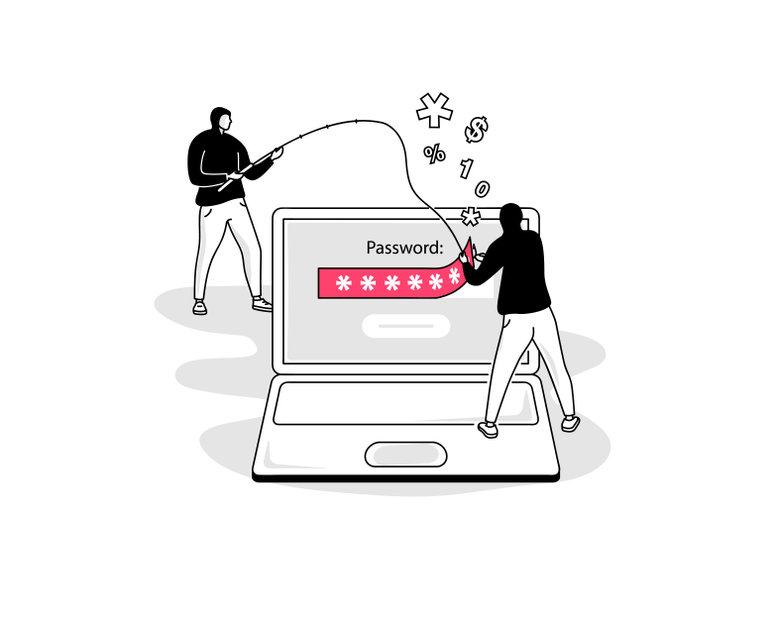
Phishing emails are when an attacker sends emails containing a link or attachment to be downloaded that appear legitimate but are designed to steal information or install malware on your organization’s devices. 

These types of attacks are often referred to as social engineering attacks as they are designed to make your employees act quickly without second guessing the source of the email.

Implementing awareness training that includes phishing simulations is one of the best ways to have users exposed to real-world scenarios in a controlled environment. This instills cyber awareness in your staff while ensuring they learn the best practices through additional training content. 

2. Reduce the Likelihood of a Data Breach

Implementing training for employees and fostering a culture that prioritizes data protection is the easiest way to reduce the odds of experiencing a data breach. 

By educating employees on the signs of suspicious activity and what to do if they believe there has been a breach, businesses can react quickly and efficiently in case of a potential threat. 

Employees that are uninformed of potential threats pose easy targets for bad actors who are looking to capitalize on a very small mistake.

Benefits of Cyber Security Training
Credit: Shamin Haky

3. Retaining Client Trust

Businesses that experience data breaches are often unlikely to retain clients. One moment in time can cost years of building trust and reputation with clients, investors, and shareholders.

The results of a survey showed that 86.6% of respondents said they were hesitant to do business with a company that had experienced a data breach.

One attack is all it takes to do irreparable damage to a company’s credibility. The benefits of cyber awareness training to ensure employees are prepared far outweigh the cost if an attack is successful.

Data breaches often also affect partnerships with other businesses. After incidents that become public relationships can appear riskier than they previously had.

In an effort to remove themselves from the impact on their reputation, organizations will often choose to distance themselves from relationships involving data breaches.

4. Mitigating Compliance Issues

As times change, so do the number of regulations businesses must follow. In response to this, a Hyperproof study showed that 83% of respondents planned to purchase or evaluate new tools that would help them automate and simplify their risk management efforts.

Additionally, a further 61% stated that their companies experienced at least one security or compliance issue within the past three years.

If your company operates within a highly-regulated industry, managing sensitive information is a daily occurrence. However, if you are found to be in violation of data protection protocols, you could face sanctions, reputational damage, and a lack of consumer confidence.

In one specific example, HIPAA non-compliance can result in fines ranging from $100 to $50,000 for every violation. That’s a steep price to pay for improper data management.

Educating employees about handling sensitive data is critical. One of the benefits of cyber security training is that your staff will gain the necessary knowledge to avoid the pitfalls of mishandling data to ensure your business avoids compliance violations.

5. Avoiding Legal Issues

Cyber attacks damage more than just your organization’s digital protection and reputation. They can also directly impact your profits.

According to IBM’s Cost of a Data Breach Report, the average cost of a data breach rose to $4.35 million in 2022, a 2.6% increase from 2021’s reported value of $4.24 million. Furthermore, suffering a data breach can result in a litany of fines, penalties and lawsuits for your business.

Implementing a cyber awareness training program not only educates your staff, but can also potentially save you millions of dollars in the long run.


Interested in learning more about cybersecurity? Check out these blogs:


Bring the Benefits of Cyber Security Training to Your Business With Advanced Networks

When employees are aware of potential security threats and how to mitigate them, they are far less likely to potentially cause a costly data breach. 

Implementing cyber awareness training positions businesses and employees on how to protect sensitive data. 

As a leading managed service provider, Advanced Networks ensures your business is prepared for any potential cyber attacks. With an average response time of just eight minutes for all IT issues, we can eliminate threats and get your business back on track quickly and efficiently.

Our advanced cybersecurity services offer the same level of protection as that of a Managed Security Service Provider (MSSP) and include:

  • SIEM server and log reviews
  • Virus/spyware/spam removal
  • Vulnerability penetration testing
  • Centralized patch management
  • MFA (Multi-Factor Authentication)
  • Reviewing firewall and router logs
  • Cybersecurity compliance checklists
  • Free antivirus and anti-malware protection
  • Secure email services (via Hosted Exchange)
  • Online document sharing (via Hosted Exchange) 

With more than 20 years of combined IT experience, we focus on securing your infrastructure so you can focus on managing your business. 

For more information on our cybersecurity awareness training, contact us today.

The Top 5 IT Managed Services Provider Challenges

Credit: ThisisEngineering RAEng

In response to the COVID-19 pandemic, businesses were faced with an unprecedented choice: adapt their business model to the new normal or face closure. Those who opted for the former pivoted to a work-from-home model, allowing their operations to safely continue in light of restrictions.

Of course, this transition entailed a deeper dependence on technology. With that dependence came the inevitable surge in IT and cyber security issues. To keep things running smoothly and securely, organizations began turning to MSPs in droves, which led to several managed services providers challenges.

So, the question is: what are some of the main challenges of working with MSPs? In this article, we highlight the challenges that companies and business owners may be facing with MSPs. By learning to identify the five most common IT managed services challenges, you’ll be well-equipped to evaluate your provider.

The 5 Major IT Managed Services Challenges

From small businesses to large enterprises, many organizations now depend on MSPs for their growing IT needs. 

It’s little wonder that the global market size for managed services providers (MSPs) is projected to grow from $243 billion in 2021 to $557 billion in 2028, representing a 12.6% compound annual growth rate (CAGR).

Ironically, within this increasingly crowded MSP market, quality services have never been harder to come by; new MSPs seem to spring up out of nowhere, merely to take advantage of the heightened demand without the right qualifications. Below, we discuss the 5 IT managed services challenges that you may be dealing with.


Mitigate Managed Services Challenges With a Proven Partner

Benefit from high-quality managed IT services from Advanced Networks.


Learn More


1. Slow Remediation or Unresolved Tickets

Many MSPs offer help desk services to help organizations address IT issues. The mix of rapid assistance, technical expertise, and first-rate customer service have made help desks invaluable for businesses looking to streamline operations and eliminate workflow inefficiencies.

But what happens when service requests go unanswered for long stretches of time? Or, worse yet, when incidents go altogether unresolved? Now, instead of overcoming productivity hurdles, the MSP is creating new ones.

Tickets that remain in the pipeline unanswered or unresolved are a key indicator that you’re dealing with an unqualified MSP. In cases like these, it’s safe to assume that the MSP is more concerned with customer acquisition than customer retention.

2. Downtime is Still a Major Problem

Managing downtime represents one of the major challenges for MSPs, which costs companies between $5,600 and $9,000 per minute, according to some estimates. These events can be triggered by a variety of causes, both incidental and malicious. 

While downtime events can’t be entirely eliminated, they can be drastically reduced in terms of frequency and duration. For example, 24/7 remote monitoring is one of the most effective tools in an MSP’s arsenal. It allows downtime events to be quickly detected and remediated, even in the absence of technicians.

So if you’ve noticed an uptick in downtime events, then it’s time for a frank discussion with your MSP to determine whether the cause is internal or the MSP itself.

IT Managed Services Challenges
Credit: Elisa Ventur

3. Recurring Incidents and Problems

When mission-critical IT functions are threatened, your MSP springs into action. Not only will they fix the problem, but they’ll often conduct a root cause analysis (RCA) to identify the underlying cause. By remediating problems at their source, the chance of a recurring issue is all but eliminated.

If you’ve been with the same MSP for a while and the same issues continue to crop up, then it may be time for a change.

Sometimes the problem may be related to a failure in an MSP’s remote monitoring services; other times, the support team may simply lack the technical expertise to penetrate deeper. In either case, your business productivity should not have to pay the price for their inefficiencies.

4. Inadequate Cyber Security Practices

Remote work led to a startling increase in cyber crime and data breaches. If left unprotected, your business can suffer serious reputational and financial losses (to the average tune of some $4.82 million).

Therefore, a good MSP will always stay up-to-date with the latest cybersecurity best practices. This is true for both their clients’ protection and their own. And it’s never been more important than in the post-pandemic landscape. 

Make sure that your MSP is maintaining their own rigorous security protocols; if targeted by cyber criminals, your data can be breached through their servers. That’s why managing security should remain a top priority for everyone.


Interested in learning more about managed IT services? Check out these blogs:


5. Perpetual Upselling

No one knows your IT infrastructure like your MSP does. So when they make a recommendation for an additional service, chances are it’s a sincere gesture that will lead to improved operations.

The trouble arises when an MSP repeatedly tries to upsell you on additional services you either don’t want, don’t need, or can’t afford while underdelivering on their current service offerings outlined in your service-level agreement (SLA). 

As a result, it’s best to avoid partnering with an MSP that seems more interested in sales and marketing than IT.

Overcome Managed Services Providers Challenges With Advanced Networks

Quality is the key to success. However, with so many MSPs inundating the market today, it can be hard to discern, especially when their expertise is outside of your wheelhouse. 

Luckily, now that you understand the five most common IT managed services challenges, you can decide whether your current MSP relationship is a good fit for your business.

If you are looking for a high-quality managed IT service without the guesswork, Advanced Networks can help. From resolving day-to-day IT issues to helping your business achieve a full digital transformation, our comprehensive, no-nonsense services will get you there. 

Our services include:

  • Cloud services
  • Proactive IT support
  • Hardware-as-a-Service (HaaS)
  • End-to-end managed IT services
  • Advanced cybersecurity services
  • Networking design and integration
  • Backup and disaster recovery services
  • Technical Account Manager / Virtual Chief Operating Officer (vCIO)

Contact us today for more information and leave your managed services challenges behind.

What are Managed IT Services?

What Are Managed It Services?

Managed IT Services BenefitsWhen a company is growing and has built a successful business process, it might run into problems with its technology. This is where a Managed IT services Provider comes in, we take care of all of your hardware, and network and make sure you have access to a team of IT Support specialists. 

Outsourcing the management of certain processes and functions can have many benefits, such as improved operations and reduced costs. This practice, known as managed services, is an alternative to the break/fix or on-demand outsourcing model, where the service provider performs services only when requested and charges the customer on a per-job basis. By hiring a managed services provider, businesses can offload certain tasks and enjoy the advantages of having fewer employees to manage.

Managed IT Services Definition (and Example)

When companies use managed IT services, they are outsourcing responsibilities of their IT tasks to a third-party service provider. 

For companies with an effective in-house IT team, managed services may be leveraged as a way to free up internal staff of repetitive or complex tasks, such as: cloud computing, managed print services, mobile device management, and more. In other cases, a MSPs services offer can be scaled to support an organization’s entire infrastructure. 

What is an IT Managed Services Provider?

The meaning of managed IT services is when an IT managed services provider (MSP) provides outsourced IT services. 

In business, MSPs are often used for:

  • Managing IT infrastructure
  • Offering technical support to staff
  • Fully managed hardware outsourcing
  • Adding cybersecurity hardening to IT systems 
  • Managing user access privileges and accounts across a client’s systems

What separates a good MSP from a poor MSP would be their managed service offering and pricing model. Good-managed service providers offer flexible suites of services that fulfill a client’s day-to-day IT needs. An example would be an organization gaining managed security, break-fix support, and software-as-a-service (SaaS) in exchange for a predictable monthly fee

How Managed IT Services Work

Managed services work with an organization to fulfill a set of IT services and solutions. 

Depending on the organization’s size, structure, needs, budget, and location, service offerings will vary from provider to provider. According to Statista, most general services provided by MSPs include: 

After an organization determines its IT needs, it creates a service level agreement. 

A service level agreement, or SLA, defines the level of services one can expect from a vendor. 

This includes the scope of services, responsibilities, availability, and service quality. In addition, it may include service guarantees from a managed service provider, such as a 99.999% uptime guarantee, 60-second call support, or 1 hour on-site IT support.


Pros and Cons of Managed It Services benefits-of-managed-it-services

Using a managed IT service provider (MSP) has the following pros:

PROS:

  • Access to specialized expertise:

    • MSPs have teams of skilled professionals who specialize in different areas, allowing businesses to have access to a wide range of expertise without the need to hire in-house staff.
  • Reduced costs:

    • MSPs typically offer their services for a flat fee, which can be more cost-effective than maintaining an in-house IT team. This helps free up valuable resources that can be used elsewhere in a business.
  • Improved security and reliability:

    • MSPs deliver round-the-clock monitoring and security management to their clients. This can ensure that businesses have protection against cyber attacks, data breaches, and other threats.
  • Scalability:

    • As a business grows, its IT needs will also evolve. MSPs can easily scale their services up or down and can quickly adapt to changing business requirements.

However, there are also some cons to using an MSP:

CONS:

  • Dependence on third-party providers:

    • Entrusting a third party with a business’s IT needs can cause concerns about control and trust. Businesses may not have the same level of control or visibility over their IT systems as they would with an in-house IT team.
  • Lack of personalization:

    • MSPs typically offer standard services that may not be tailored to an individual business’s needs. This can result in businesses paying for services that are not required, or not receiving the required level of support.
  • Communication challenges:

    • Outsourcing IT needs to a remote team can sometimes lead to communication challenges, especially when dealing with complex issues that require a lot of back-and-forth communication.
  • Service limitations:

    • MSPs may not have the ability to provide certain specialized services that an in-house IT team would be able to provide.

History of Managed It Services 

The history of managed IT services can be traced back to the late 1990s when businesses began to realize the need for external support in managing their IT infrastructure. During this time, companies started to experience the growing complexities and costs associated with maintaining their own IT systems.

The concept of managed IT services emerged as a solution to address these challenges. The idea was to outsource the management of IT infrastructure and services to specialized third-party providers. This allowed businesses to focus on their core competencies while leveraging the expertise and resources of external IT providers.

In the early days, managed IT services primarily focused on basic IT support tasks such as help desk support, network maintenance, and system monitoring. These services were typically delivered remotely, allowing businesses to offload the burden of managing their IT infrastructure and reducing the need for on-site IT personnel.

As technology advancements accelerated, managed IT services evolved to provide more comprehensive solutions. MSPs (managed services providers) expanded their offerings to include proactive monitoring, security management, data backup and recovery, cloud services, and strategic IT planning.

The growing popularity of cloud computing further fueled the growth of managed IT services. As businesses recognized the benefits of moving their IT infrastructure to the cloud, MSPs started offering cloud-based services and acting as brokers with cloud providers. This allowed businesses to offload the complexities of managing cloud-based systems to specialized providers.

Over time, managed IT services became an integral part of many businesses’ IT strategies. The industry witnessed tremendous growth as more companies embraced the cost-effectiveness, scalability, and expertise offered by MSPs. Various industries, including healthcare, finance, retail, and manufacturing, began leveraging managed IT services to streamline their operations, improve security, and enhance their overall IT performance.

Today, managed IT services continue to evolve with the rapid advancements in technology. MSPs offer a wide array of services, including virtual CIO (Chief Information Officer) support, cybersecurity, data analytics, disaster recovery, and IT consulting. These services are tailored to address the specific needs and challenges faced by modern businesses.

The future of managed IT services looks promising as businesses increasingly recognize the value of outsourcing their IT needs to specialized providers. With the ever-increasing complexity of IT environments, the demand for managed IT services is expected to continue to rise, further driving innovation and advancements in the industry.

What Services Do Managed It Service Providers Offer?

Managed IT providers offer a wide range of services to help businesses manage their IT infrastructure and operations. Some of the common services provided by MSPs include:

  1. Network Management: MSPs monitor and maintain the client’s network infrastructure, including routers, switches, firewalls, and other network devices. They ensure that the network is secure, optimized, and performing at peak efficiency.

  2. Help Desk Support: MSPs offer level-1 support to address end-user issues, such as password resets, software installation, and troubleshooting. This usually includes phone, email, and chat support.

  3. Cloud Services: MSPs provide cloud-based solutions to help businesses migrate their data and applications to the cloud. They offer cloud hosting, cloud backup, and other cloud-based services to support the client’s digital transformation.

  4. Cybersecurity: MSPs implement security measures to protect the client’s systems and data from cyber threats, including malware, ransomware, phishing attacks, and data breaches. They deploy firewalls, antivirus software, and other security tools to ensure that the network is secure.

  5. Server Management: MSPs take care of server administration tasks, such as software updates, patches, and upgrades to ensure the client’s servers are stable and secure.

  6. Data Backup and Recovery: MSPs ensure the client’s data is backed up regularly and stored securely to prevent data loss. They help clients to recover lost data and restore systems in case of any disasters.

  7. Virtual CIO: MSPs provide strategic IT planning and consulting to help businesses align their technology with their overall business goals. They offer recommendations on technology investments, cybersecurity, and digital transformation.

Overall, managed IT providers offer a wide array of services to help businesses manage their complex IT environment. They work closely with clients to develop customized solutions that meet their unique needs and requirements.

Do Fortune 500 Companies Use Managed It Services?

Determining the specific Fortune 500 companies that use managed IT service providers may require more extensive research and access to proprietary information. However, it is well known that a significant number of Fortune 500 companies utilize managed IT services[4][5].

According to reports, over 90% of the Fortune 500 companies have multiple outsourcing contracts with managed service providers[4]. These contracts have a collective value of over $190 billion[5]. However, the specific names of the companies and their respective managed IT service providers are not readily available in the provided search results.

If you need a comprehensive and accurate list of Fortune 500 companies that use managed IT service providers, I would recommend accessing industry reports, market analyses, or reaching out to specific managed service providers that cater to Fortune 500 companies.

I hope this information is helpful! Let me know if there’s anything else I can assist you with.

Sources:

  1. https://ubuntu.com/blog/managed-it-services-like-the-fortune-500

  2. https://www.channelfutures.com/business-models/60-of-fortune-500-companies-running-manageengine


For more relevatnt information on managed services, visit our blogs on:


What You Should Know About Managed IT Pricing

When business owners look at IT solutions, the question of cost inevitably arises.

In the case of the managed service market, the marketplace is quickly ballooning, estimated to nearly double in size from $161.37 billion in 2021 to $311.22 in 2027 as more businesses turn to the advantages of managed service providers. 

Given the wide range of managed IT services pricing and service models available, it can be challenging to accurately estimate your costs without a managed IT services calculator because managed service pricing can vary with:

  • The number of users
  • Service time required
  • Data storage requirements
  • How many servers you need
  • How the needs of the business evolve 

Though all of your services are detailed in a service level agreement (SLA), you should know what to look for in cost.

Managed IT pricing also depends on factors such as if the agreement is a break/fix model, and focus on device management vs. overall managed IT services—among other factors. 

On average, however, managed IT services pricing ranges between $99 to $250 per user, per month. 

How Much Do Managed IT Services Cost?

For small to medium-sized businesses, having an in-house IT person may not be the most cost-effective solution. When you choose to work with a Managed Services Provider (MSP), you get the knowledge of an entire team of IT professionals for a set monthly fee. This pricing model is both cost-predictable and budget-friendly—a simple solution for smaller ventures.

When looking at managed IT pricing, there are a few questions you should consider:

  • What is my budget?
  • What needs to be covered?
  • What are the risks if I don’t invest in protecting my data?


Though all businesses should take an active interest in protecting their data, the last point is of additional concern to those working in heavily regulated fields, like healthcare.


Don’t Be Deterred by Your MSP’s Managed IT Services Price List

Protect your business with cost-effective managed IT services. 


Contact Us


Managed IT Costs: Pricing Per Device vs. Per User 

When looking at what you can expect to pay for managed IT services, there are 2 or 3 pricing plans you’ll encounter in your research. Many MSPs offer a flat rate per month, whether that is broken down per user per month, or per device per month. 

For high-quality managed IT services, however, you likely won’t find it from a provider that charges an hourly rate. Though the per-hour charge may be lower, the hours of service can rack up, and you might be stuck paying more in the long run—and not even for the services you actually need. 

Factors That Impact Managed IT Costs

Though you can benefit from a set monthly fee once you hammer out the details of your service agreement, knowing the factors that influence costs can be helpful. Managed IT costs are influenced by the following factors: 

  • Service time: A small business has different IT needs than a large enterprise. The time required to solve tasks of varying complexity impacts cost. For example, do you need round-the-clock monitoring? Service time can be billed per hour, as break/fix companies do, or are lumped in with your set monthly fee.
  • Number of users: More users mean more devices, and keeping all of them secure comes with its own demands. The price range per user is, again, dictated by the work involved: Do you need to upgrade workstations? 
  • Number of servers: Just like how many users need coverage impacts the total cost, how many servers need to be managed also impacts the final cost. Many MSPs offer cloud storage as an alternative, too.
  • Data storage: Since large amounts of data need more storage capacity, you may find this impacts the total cost of service. 
  • Equipment upgrades: If you’ve been putting off upgrading computers and other systems, you’ll likely need a number of upgrades. Though this can be costly, upgrading your equipment better protects your data.

With all of these variables, it’s important to understand the ins and outs of your MSP’s service offerings. If there’s a part of your SLA you don’t understand, don’t be afraid to ask questions. Don’t sign on the dotted line until everything has been explained.

Managed IT Pricing

What’s Included in Managed IT Services Rates?

Part of understanding your SLA also means understanding what’s covered by your monthly fee. For example, if your business needs a new phone system, that likely won’t be included in your monthly cost. These are typically charged at an additional hourly rate.

On the other hand, some MSPs may offer support from a virtual Chief Information Officer to help leadership establish a well-rounded IT plan. This service may be included in some pricing options, but not others. 

It’s important to remember that though MSPs often share the monthly fee pricing model, what services are offered will vary from company to company. 

When thinking about your managed IT services ROI calculator, you should also consider:

  • Flexibility: Outsourcing your IT needs saves you both money and stress.
  • Efficiency: Working with an MSP both improves your operational uptime and employee productivity.
  • Security: Your MSP’s got your back: They monitor potential threats and stay up-to-date on the latest news and technology. 

Why Does Managed IT Pricing Differ Between MSPs?

Before signing any agreement, you should take a detailed look at different prices from different MSPs, and see what’s included. If the first provider on your list is cheaper than the second, double-check the services they offer. You may find that the first provider offers only a fraction of the services the second does.


Learn how managed IT services benefit your business with these blogs:


To help guide your decision-making process, you should ask your prospective provider the following questions:

  • How long has the company been in business?
  • What kind of experience does their technical team have?
  • What certifications does the team have?
  • Who can provide references?

Lower costs may mean that the MSP relies more on a break/fix model, rather than proactive management. Don’t hesitate to ask your MSP why they charge what they do for services. How they answer will tell you everything you need to know. 

Safeguard Your Business with Premier Managed IT Services 

The average data breach costs over $4.2 million. 

Is your business prepared for such threats?

With over 20 years of combined IT experience, Advanced Networks supports client IT needs with consultation services, help desk support, and disaster recovery services. Advanced Networks offers all-inclusive IT services with complete visibility and no hidden fees. 

Get the most out of your managed IT costs. Contact us today. 

The Benefits of Managed IT Services for a Manufacturing Environment

Many industries face disruption due to the lightning-paced evolution of technology, and smart manufacturing is no exception. In this highly competitive landscape, leveraging Managed IT services is a must to stay ahead and survive. 

SMBs and growing companies find it increasingly difficult to compete with more resourceful and established competitors. On the other hand, established entities face the risk of disruption if they become complacent and fail to embrace technological opportunities.

The NIST (National Institute of Standards and Technology) defines smart manufacturing as “fully-integrated, collaborative manufacturing systems that respond in real-time to meet changing demands and conditions in the factory, in the supply network, and customer needs.”

There are many different facets to embracing the “smart manufacturing” paradigm. However, today, we’ll discuss one specific solution, thin clients, and how they can benefit your business.

What is a Thin Client?

In IT terminology, we have what is called a thin client and a thick client. So, let’s take a typical network model where you have multiple clients connected to a main hub or server. A thick client has most features and capabilities built-in and can act independently of a central server.

A thin client is dependent on the main server to carry out its core tasks. They are a stripped-down implementation of the software that mostly acts as an accessible and user-friendly interface between the server and end-user. Thin clients are commonly used as shared terminals, virtual desktop environments, browser-based portals, or regular software applications.

In manufacturing contexts, one of the most practical applications of thin clients is as terminal servers.

We all know the importance of effective, accurate, and reliable production process monitoring. Internet-connected machinery that can constantly relay vast amounts of data to be collected and processed on a central server is becoming increasingly commonplace.

However, improvements can be made in how that information is distributed to be accessible, analyzable, and actionable by humans.

Thin Clients have advantages to offer smart manufacturing

  • Security: Little to no data is stored on a terminal server. Even if one is compromised, access is still needed to the central server to cause any real harm.
  • Accessibility: Thin clients can be distributed throughout your facility, or even remotely, for easy, 24/7 access.
  • Cost Reduction: Thin clients don’t require sophisticated hardware/software. They are affordable to commission and maintain.
  • Productivity: All of the above benefits should translate into improved productivity.

Who Can Use It

The simple answer is that anyone that wants to embrace the “smart manufacturing” ethos can benefit from thin client architectures. For example, site managers can monitor multiple aspects of your facility from thin clients. They can be implemented as terminals or mobile devices. Anyone who needs access to monitor machinery can do so at any time from any nearest thin client.

Your main server would still collect, process, and store all data, ensuring that the same, up-to-date information is shared with all endpoints.

Conclusion

Despite the potential benefits, implementing new technologies still poses some immediate challenges. Maintaining business continuity, ensuring the effectiveness of your solution, and implementing it with a sustainable strategy are just some of the concerns you must tackle. However, these can be overcome by partnering with an experienced enterprise IT solutions provider that specializes in developing secure, robust, and reliable network infrastructure.

Contact IT Consultants in Los Angeles to Learn What Modern Email Fraud Looks Like

Contact IT Consultants in Los Angeles to Learn What Modern Email Fraud Looks Like

Knowing the Signs

IT consultants in Los Angeles have to continuously maintain familiarity with the latest fraudulent enterprises involving email. The best security can’t outpace “social engineering” hacks. Cybercriminals use human nature against people to obtain privileged information–often by pretending to be someone or something they’re not. But if you know the signs of such phishing attacks, you’ll less likely be taken in.

Clear Signs of a Phishing Scam

Keep in mind, what defines a phishing scam continuously changes. As targets learn what to look for, scammers alter tactics. That said, the following features of scam emails tend to be pretty common:

  • Emails That Come Out of the Blue Without Solicitation
  • Horrible English and Strange Time Stamps
  • When URLs in an Email Aren’t Real
  • URLs That Just Don’t Match

Emails That Come Out of the Blue Without Solicitation

One of the most common phishing emails is the type that seems to come out of nowhere and demand certain privileged information. It might say you won in a raffle, or that you’re going to be in trouble with the government if you don’t do something. If you’ve got a PAB, or Phishing Alert Button, you can send such emails to your IT department for examination. Usually, these emails won’t be legitimate. Sometimes, they’re even unsophisticated.

Horrible English and Strange Time Stamps

IT consultants in Los Angeles advise that emails with ridiculous English are probably phishing scams. Poor syntax, poor punctuation, bad spelling and grammar, improper capitals, wrong vocabulary–these are all signs of an email drafted by some individual or group of hackers from another country.

Another red flag is if the email timestamp is, for instance, at three in the morning, or a time that doesn’t match with when the email should be sent.

When URLs in an Email Aren’t Real

Suppose that you get an email saying your Facebook account has been hacked. It tells you to go to www.22.fatchebox.com. Beware–that’s a scam. It may look legitimate, but it’s not. Watch out for such situations.

URLs That Just Don’t Match

If the URL in the link doesn’t match the name of the business it is supposed to represent, that’s another red flag. So if you got an email from “Amazon.com” but the URL is “deals.amazonian.web”, that’s a scam.

Being Aware of the Scams Out There

IT consultants in Los Angeles through Advanced Networks advise you to be very suspicious of unsolicited emails with bad English, inexplicable timestamps, fake URLs, and URLs that don’t match the companies they claim to represent.

While these aren’t the only signs indicating a phishing attempt, they are some of the most relevant. Contact us to learn more.

It’s the Holidays: Work With Your IT Support in LA to Avoid Phishing Scams

Work With Your IT Support in LA to Avoid Phishing Scams

Phishing Affects Everybody

Whether or not you’re buying things online from a business account, IT support experts in LA can help secure your personal information from underhanded cybercriminals. It’s the holidays, and a lot more people than usual are shopping online due to pandemic issues. It’s doubly important to be secure when you use the web; especially when there are potential phishing scams.

What To Watch Out For

Because of decentralization, you’re going to see a lot of employees who have gone home early for the holidays with plans of extending their stay longer. For a lot of businesses, this makes sense. The business saves money on infrastructure costs, the employee gets to spend more time with family.

That said, because of home-based work, there tends to be an increased vulnerability. Here’s what to watch out for this holiday season:

  • Relaxed Security From Decentralized Employees
  • Phone Scams Are More Successful During Holidays
  • Varying Shopping Scams Could Impact Your Operation

Relaxed Security From Decentralized Employees

Decentralized employees working from home are going to be more relaxed and less likely to follow due diligence as regards observance of security during work.

Remote operations should have monitoring and support as well as continuous backup. Proper remote management gives you the ability to shut down devices at a distance or lock them out of the network before a phishing virus infects anything.

Phone Scams Are More Successful During Holidays

Your IT support provider in LA will advise your business to be very careful and watch out for scam calls from fake charities. These will seek key information then use that to steal. Scam calls during the holidays happen very frequently.

Varying Shopping Scams Could Impact Your Operation

Shopping scams are also big during the holidays. Big-ticket items will be offered at unreal rates, which is often tempting. That’s when phishers get the “big fish”, using false emails from UPS and Amazon. They usually inform about a supposed delay in package delivery, which is not true, then request key information. Many are vulnerable and unsuspecting to such scams.

People who are at home aren’t free from holiday stress. They may be juggling a dozen things. Shopping scams are more successful during the busy holidays. Therefore, it is best to educate employees on shopping and phone scams and monitor network interactions. Assure that company data are kept secure, safe from cybercriminals.

Keeping Personal and Business Accounts Safe This Holiday Season

IT support services in LA through Advanced Networks can help individuals working remotely and/or from home. Keep employees safe from phone and shopping scams. Education is often the best way to keep operations and everyone secure. Contact us to learn more.