Compliance Readiness Assessment

🛡️ Compliance Readiness — Gap Assessment

Compliance Readiness Assessment: Know Every Gap Before the Auditor Does

The most expensive way to discover a control gap is during the audit. A readiness assessment finds every one first — mapped to your target framework, ranked by risk, and priced for remediation — so you walk into certification knowing the outcome.

  • Control-by-control mapping against SOC 2, HIPAA, CMMC, PCI, GLBA, or NIST CSF
  • Findings ranked by audit impact and breach risk — not alphabetically
  • Remediation plan with effort estimates you can budget against
  • Fixed-fee engagement with a defined deliverable, not open-ended hours
  • Reusable across frameworks: assess once, satisfy overlapping controls
⭐ 5.0 Google RatingMicrosoft PartnerSOC 2 Ready24/7 Live SupportMSP 501 Top 50

Scope Your Assessment

Tell us your framework, deadline, and environment size. We’ll return a fixed scope and price within two business days.

8minAvg. Help Desk Response
24/7Live, Staffed Coverage
20+Years Running Help Desks
85%Issues Fixed Proactively
#36MSP 501 Nationally
200+Businesses Protected
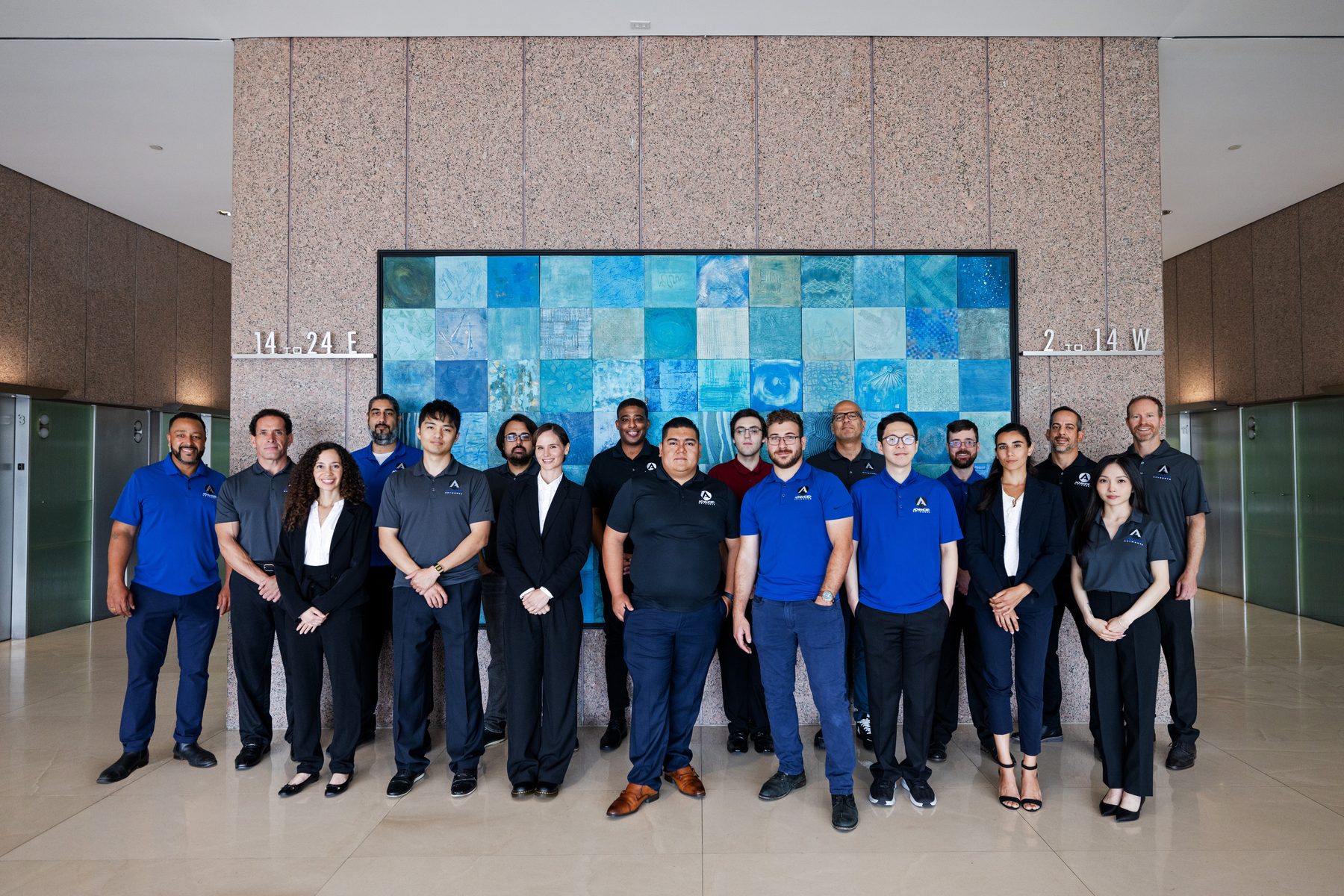
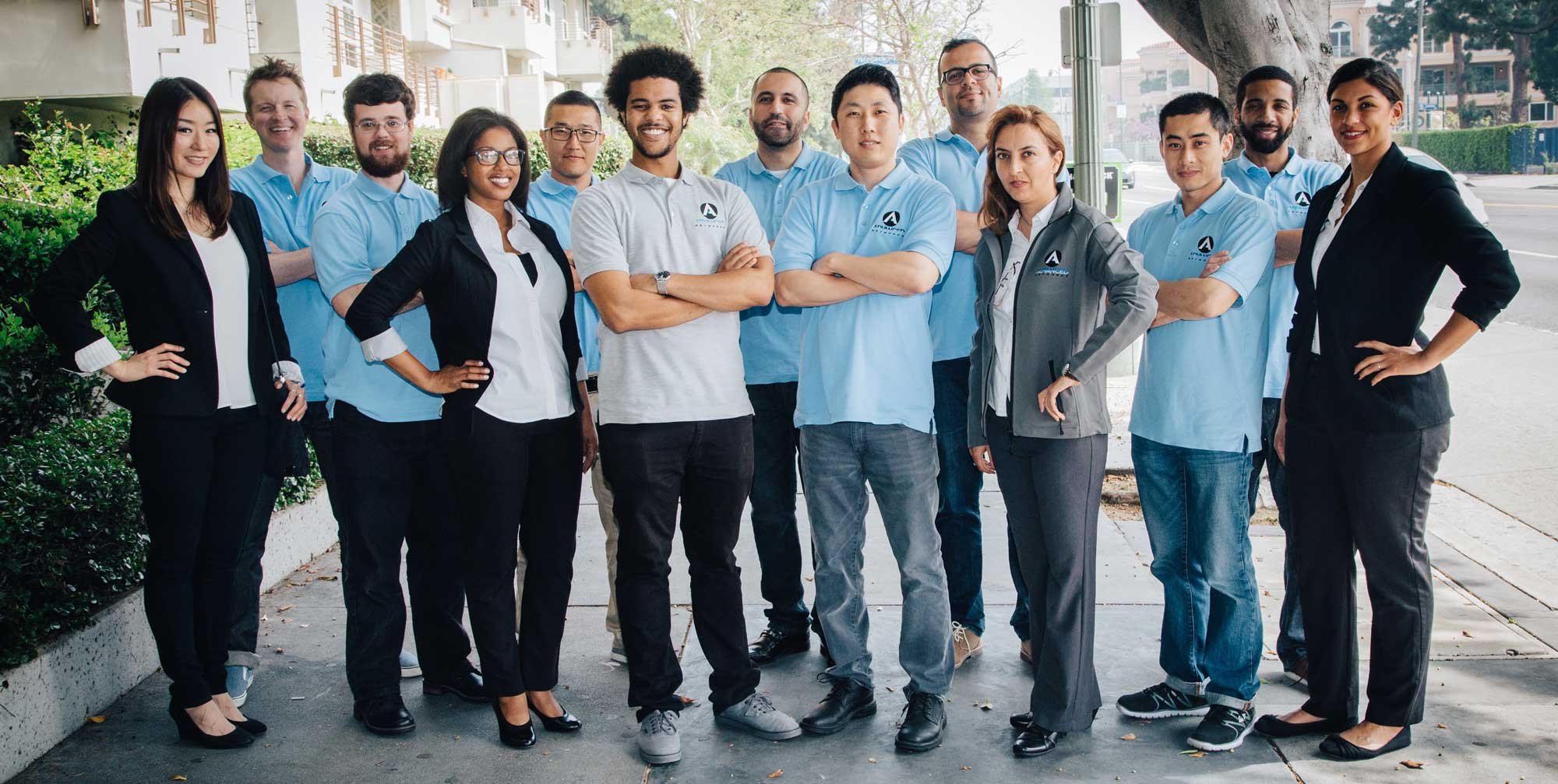
The Advanced Networks team

The Desk That Answers
Eight minutes, any hour
Advanced Networks advisors working with a client

Hands-On When It Counts
Onsite from our Westwood office
The Advanced Networks engineering team

One Accountable Team
No vendor ping-pong
Before the Audit, Not During

Why Readiness Beats Reaction

Organizations usually book a readiness assessment for one of three reasons: a customer contract now requires SOC 2, a regulator or insurer has asked pointed questions, or leadership wants a certification date it can commit to. In each case the question is the same — how far are we, really? Self-assessments consistently answer that question too optimistically, because the people grading the controls are the people who built them.

An independent readiness assessment replaces optimism with an evidence-based baseline. We test what is actually configured — not what the policy document says — and we write findings the way an auditor will: control, condition, criteria, cause. The result reads like a rehearsal of your audit, delivered while there is still time to fix everything in it.

A recent example: a 60-person software company believed it was “mostly ready” for SOC 2 Type II. The assessment surfaced 31 gaps — including offboarding that left contractor accounts active for months and backups that had never been restore-tested. Six months later it passed with zero exceptions, because every finding had been closed before the observation window opened.

  • Independent grading — we did not build your controls, so we have no reason to flatter them
  • Evidence-tested findings, not questionnaire answers
  • A written baseline you can hand to auditors, insurers, or the board
  • A remediation roadmap that doubles as your project plan
8min
Average First ResponseAny hour, any day
<1hr
Urgent Onsite ReachWithin Los Angeles
85%
Resolved ProactivelyBefore you notice
1
Team AccountableHelp desk to root cause
What the Assessment Examines

The Ten Domains We Examine

Every assessment covers the control families auditors weight most heavily

Identity & Access
MFA coverage, privileged accounts, joiner-mover-leaver process, and the access reviews nobody remembers to run.
Endpoint & Patch Posture
EDR deployment, patch latency measured from your actual systems, and unmanaged-device exposure.
Data Protection
Encryption at rest and in transit, data classification, retention, and where sensitive data actually lives versus where policy says it does.
Logging & Monitoring
What is logged, how long it is kept, who reviews it, and whether an incident last month would have been visible.
Backup & Recovery
Backup coverage, immutability, and — the finding we write most often — whether restores have ever been tested.
Policies & Governance
Whether written policies match operating reality, and whether anyone owns keeping them that way.
Our Assessment Methodology

How the Assessment Runs, Week by Week

A typical engagement takes two to four weeks depending on scope

01
1. Scoping Call
Define the framework, systems in scope, and deadline. You get a fixed fee before anything starts.
02
2. Evidence Collection
We pull configurations, reports, and samples directly from your systems — the same artifacts an auditor will request.
03
3. Technical Validation
Scans and spot-checks verify that controls are operating, not just documented.
04
4. Control Interviews
Short sessions with control owners surface the process gaps that configurations cannot show.
05
5. Findings & Ranking
Every gap is written audit-style and ranked by certification impact and real-world risk.
06
6. Remediation Roadmap
A sequenced plan with effort estimates — fix it yourself, use us, or split the work.
Working With Us

What Clients Say About Our Support

LA companies on the switch — cost, coverage, and control.

★★★★★

“When our IT guy left, we outsourced instead of rehiring. Coverage tripled, spend dropped 30%, and nobody has looked back.”

Brian Foster CFO, Horizon Cloud Software · Santa Monica
★★★★★

“The transition month was the tell: everything documented, nothing lost, tickets closing same-day by week two.”

Emily Carter Chief Financial Officer, Blue Harbor Technologies · Westwood
★★★★★

“We grew from one warehouse to three. IT scaled with a phone call — no hiring, no drama, same flat structure.”

James Bennett IT Director, Summit Digital Systems · Glendale
Straight Answers

Readiness Assessment FAQ

What LA owners ask before outsourcing IT.

How is this different from an audit?
An audit certifies; a readiness assessment prepares. Auditors must stay independent, so they cannot help you fix what they find. We are the opposite: everything we find comes with a remediation path, and nothing we find goes on a certificate.
How long does a readiness assessment take?
Two to four weeks for most environments — roughly one week of evidence collection, one of validation and interviews, and one to write findings. Larger or multi-site environments extend the schedule, which we fix at scoping.
What do we receive at the end?
Three deliverables: a control-by-control gap register written in audit language, an executive summary suitable for boards and customers, and a sequenced remediation roadmap with effort estimates.
Do you fix the gaps you find?
If you want us to. The roadmap is written so any competent team can execute it — many clients remediate in-house and have us re-verify. Others hand us the technical items and keep process changes internal.
Will the assessment disrupt our team?
Minimally. Evidence collection is mostly ours; interviews take 30–45 minutes per control owner. Most clients spend under ten staff-hours total across the engagement.
Which frameworks can one assessment cover?
Several at once. SOC 2, NIST CSF, HIPAA, and most insurer questionnaires overlap heavily — we map each control to every framework you care about, so shared work is counted once.

Advanced Networks — Los Angeles Office · Cybersecurity Compliance Services · SOC 2 Compliance · Open 24 hours

Explore the rest of our Los Angeles services: HIPAA Compliance · CMMC Compliance · NIST Cybersecurity Framework · Vulnerability Assessments · Virtual CISO Services — or compare with our Cyber Security Services.

Get Started

Find Out Where You Stand in Two Weeks

Fixed fee, defined deliverables, and a gap register you can act on immediately — whether or not we do the remediation.