Virtual CISO Services

🛡️ Virtual CISO — Fractional Security Leadership

Virtual CISO Services: Security Leadership Without the Executive Salary

A full-time CISO commands $250–400K plus equity — and most mid-sized organizations need the judgment, not the headcount. A virtual CISO gives you a named security executive who owns strategy, governance, and accountability for a fraction of one salary.

  • Named security leader — the same person, every quarter
  • Risk register, security roadmap, and budget owned end to end
  • Board and leadership reporting in business language
  • Audit, insurer, and customer security-questionnaire ownership
  • Backed by the engineering team that runs your controls daily
⭐ 5.0 Google RatingMicrosoft PartnerSOC 2 Ready24/7 Live SupportMSP 501 Top 50

Meet Your vCISO

A 30-minute conversation about your risk, your customers, and what security leadership would change — no pitch deck.

8minAvg. Help Desk Response
24/7Live, Staffed Coverage
20+Years Running Help Desks
85%Issues Fixed Proactively
#36MSP 501 Nationally
200+Businesses Protected
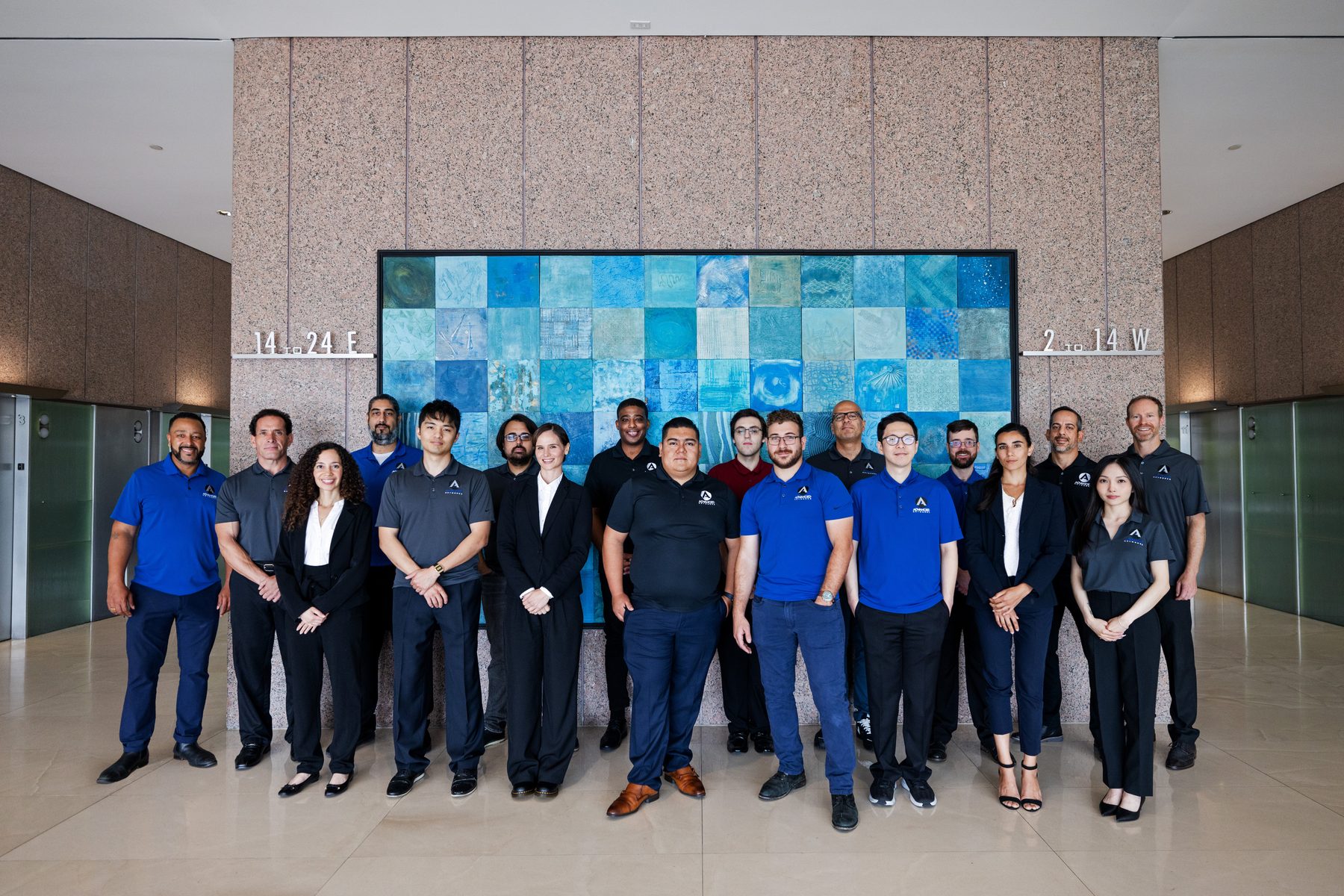
The Advanced Networks team

The Desk That Answers
Eight minutes, any hour
Advanced Networks advisors working with a client

Hands-On When It Counts
Onsite from our Westwood office
The Advanced Networks engineering team

One Accountable Team
No vendor ping-pong
Leadership, Fractional

The Gap Between Having IT and Having Security Leadership

Most organizations discover the gap at a specific moment: an enterprise customer sends a 200-question security review, an insurer doubles the premium after the renewal questionnaire, or the board asks “are we secure?” and nobody owns the answer. IT teams — internal or outsourced — run controls. What is missing is the layer above: someone who decides which risks matter, sets policy, allocates budget, and answers for the program by name.

That is the vCISO role. Not another dashboard, not a compliance PDF — a security executive who joins your leadership meetings, maintains your risk register, owns your framework profile, and signs their name to the answers your customers, auditors, and insurers demand.

A typical engagement in practice: a 120-person fintech needed SOC 2 for a bank partnership. The vCISO built the risk register, chose which controls to remediate first, ran the auditor relationship, and briefed the board quarterly. The engineering work was executed by our managed services team under the vCISO’s direction — one accountable program instead of a consultant handing PDFs to an unrelated IT vendor.

  • Quarterly security roadmap tied to business objectives
  • Risk register reviewed and re-ranked on a schedule
  • Policies that match how your organization actually operates
  • One owner for every security question from customers, auditors, and carriers
8min
Average First ResponseAny hour, any day
<1hr
Urgent Onsite ReachWithin Los Angeles
85%
Resolved ProactivelyBefore you notice
1
Team AccountableHelp desk to root cause
What a vCISO Owns

What Your vCISO Owns, Concretely

The recurring deliverables of the engagement — not aspirations, artifacts

Security Strategy & Roadmap
An annual plan with quarterly milestones, budgeted and sequenced — what gets fixed, bought, and retired, and why.
Risk Management
A living risk register: threats identified, scored, assigned an owner, and reviewed quarterly with leadership.
Policy & Governance
Policies written to be followed — access, data handling, acceptable use, incident response — and updated when reality changes.
Compliance Program Ownership
Your CSF profile, SOC 2 controls, HIPAA safeguards, or CMMC practices maintained as one coherent program with evidence always current.
Incident Response Leadership
When something happens, the vCISO runs the playbook: containment decisions, insurer and counsel coordination, and the post-incident review.
Vendor & Third-Party Risk
Security review of the vendors that touch your data — and ownership of the questionnaires customers send you.
vCISO vs. the Alternatives

Where a vCISO Fits — and Where It Does Not

An honest comparison against the alternatives

01
vs. Full-Time CISO
A full-time hire makes sense past ~500 employees or in high-regulation sectors. Below that, you are paying an executive salary for a role that needs 15–30 hours a month of the right judgment.
02
vs. Compliance Consultant
Consultants deliver documents and leave. A vCISO stays accountable across quarters — the same person who wrote the roadmap answers for whether it happened.
03
vs. MSP Alone
An MSP executes controls but should not grade its own homework. The vCISO sets direction and verifies outcomes — governance separated from operation.
04
vs. Do Nothing
The default plan is answering security questionnaires ad hoc and hoping. It works until the first enterprise deal, audit, or claim — the three most expensive moments to improvise.
05
The Integration Advantage
Because the vCISO sits atop the team already running your infrastructure, decisions become configurations in days, not recommendations in decks.
06
What It Costs
A defined monthly retainer scaled to cadence and scope — typically 10–20% of a full-time CISO’s loaded cost.
Working With Us

What Clients Say About Our Support

LA companies on the switch — cost, coverage, and control.

★★★★★

“When our IT guy left, we outsourced instead of rehiring. Coverage tripled, spend dropped 30%, and nobody has looked back.”

Brian Foster CFO, Horizon Cloud Software · Santa Monica
★★★★★

“The transition month was the tell: everything documented, nothing lost, tickets closing same-day by week two.”

Emily Carter Chief Financial Officer, Blue Harbor Technologies · Westwood
★★★★★

“We grew from one warehouse to three. IT scaled with a phone call — no hiring, no drama, same flat structure.”

James Bennett IT Director, Summit Digital Systems · Glendale
Straight Answers

Virtual CISO FAQ

What LA owners ask before outsourcing IT.

How many hours do we actually get?
Engagements typically run 15–40 hours per month depending on cadence: monthly leadership sessions, quarterly board reporting, risk register upkeep, and on-call ownership for security decisions. Hours flex up during audits or incidents.
Is the vCISO a real person or a service tier?
A named individual — the same executive across quarters, with a defined backup. Continuity is the point: judgment compounds when the same person has watched your program for years.
Can the vCISO talk to our customers and auditors directly?
Yes, and they should. The vCISO joins customer security reviews, sits in audit sessions, and briefs your insurer — with your team present. Their signature on the answers is part of what you are paying for.
Do we need a vCISO if we already have an IT director?
Often yes — the roles are complementary. An IT director keeps systems running; the vCISO decides which risks matter, sets policy, and represents security to leadership. Many of our engagements pair a vCISO with a capable internal IT lead.
Can you start with a project instead of a retainer?
Yes. Many clients start with a compliance readiness assessment or an audit cycle, then keep the vCISO on retainer once they see what continuous ownership looks like.
What happens if we grow into a full-time CISO?
That is a graduation, not a breakup. The vCISO documents the program, helps write the job description, interviews candidates, and hands over a running risk register — then typically stays for a transition quarter.

Advanced Networks — Los Angeles Office · Cybersecurity Compliance Services · Compliance Readiness Assessment · Open 24 hours

Explore the rest of our Los Angeles services: NIST Cybersecurity Framework · Audit Preparation & Documentation · Cyber Insurance Compliance · Security Risk Assessments · Cyber Security Services — or compare with our Managed IT Services.

Get Started

Put a Name on Your Security Program

Talk to the executive who would own your roadmap, your risk register, and your next audit — before you commit to anything.