Vulnerability Assessments

🛡️ Vulnerability Assessments — Verified & Ranked

Vulnerability Assessments: Find the Weaknesses Before Someone Else Does

Every environment accumulates exposure — missed patches, forgotten servers, misconfigured cloud storage, default credentials. A vulnerability assessment finds it systematically, verifies what is real, and tells you which ten of the thousand findings actually matter this quarter.

  • External and internal scanning across network, cloud, and endpoints
  • Findings verified by engineers — not raw scanner exports
  • Prioritization by exploitability and business impact, not just CVSS
  • Recurring cycles that satisfy SOC 2, CMMC, PCI, and insurer requirements
  • Remediation tracked to closure, with retest verification
⭐ 5.0 Google RatingMicrosoft PartnerSOC 2 Ready24/7 Live SupportMSP 501 Top 50

Scope a Vulnerability Assessment

Tell us your environment size and any compliance drivers. Fixed scope and schedule within two business days.

8minAvg. Help Desk Response
24/7Live, Staffed Coverage
20+Years Running Help Desks
85%Issues Fixed Proactively
#36MSP 501 Nationally
200+Businesses Protected
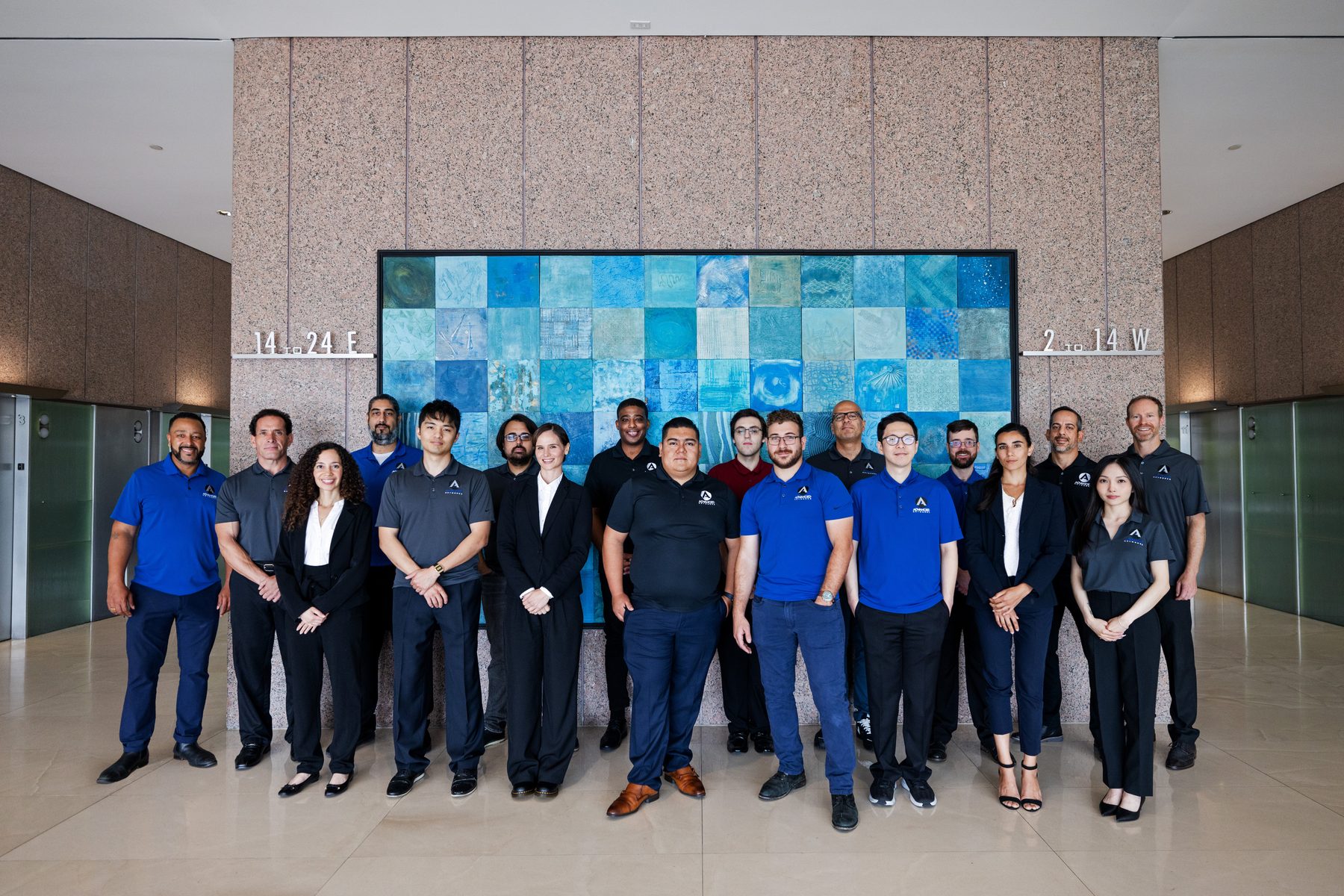
The Advanced Networks team

The Desk That Answers
Eight minutes, any hour
Advanced Networks advisors working with a client

Hands-On When It Counts
Onsite from our Westwood office
The Advanced Networks engineering team

One Accountable Team
No vendor ping-pong
Exposure, Measured

Why Scanner Output Is Not an Assessment

Anyone can run a scanner and produce an 800-page PDF with four thousand findings. That document creates anxiety, not security. The work that matters happens after the scan: removing false positives, confirming which vulnerabilities are actually reachable in your network, and ranking what remains by how likely it is to be exploited and what it would cost you if it were.

Our assessments end with a short list, not a long one: the exposures worth fixing this quarter, each with a specific remediation, an owner, and a retest date. The four thousand findings are still in the appendix — but the plan fits on one page, which is why it actually gets executed.

A representative finding from a recent engagement: a mid-sized firm’s scanner report buried a critical item at position 212 — an internet-reachable legacy VPN appliance with a known exploited vulnerability. CVSS scoring alone ranked hundreds of internal items above it. Exploitability-based ranking put it first, and it was patched the same week. That is the difference prioritization makes.

  • Verified findings only — every critical is confirmed reachable
  • One-page remediation plan ranked by real-world exploitability
  • Trend reporting: exposure measured quarter over quarter
  • Evidence formatted for auditors, assessors, and insurance carriers
8min
Average First ResponseAny hour, any day
<1hr
Urgent Onsite ReachWithin Los Angeles
85%
Resolved ProactivelyBefore you notice
1
Team AccountableHelp desk to root cause
What We Test

What a Full Assessment Covers

Six surfaces, each with its own failure modes

External Perimeter
Everything reachable from the internet: exposed services, expired certificates, forgotten subdomains, and appliances with known exploited CVEs.
Internal Network
What an attacker sees after one phished laptop: flat networks, legacy protocols, unpatched internal servers, and over-shared file systems.
Cloud Configuration
Storage buckets, identity policies, and security-group rules across Microsoft 365, Azure, and AWS — where one checkbox is the difference between private and public.
Endpoints & Servers
Patch latency, EDR coverage gaps, unsupported operating systems, and local-admin sprawl across the fleet.
Identity Exposure
Leaked credentials in breach corpora, stale accounts, missing MFA, and privileged access that outlived its justification.
Web Applications
OWASP-style checks on the applications you expose — authentication, injection, and access-control weaknesses.
Assessment vs. the Alternatives

Assessment, Pen Test, or Scan: What Each One Is For

The terms get used interchangeably; the deliverables are very different

01
Vulnerability Assessment
Breadth: find and rank every weakness across the environment. The quarterly hygiene discipline every framework expects.
02
Penetration Test
Depth: a human attacker attempts to chain weaknesses into actual compromise. Best after assessments have cleared the obvious.
03
Compliance Scan
The minimum an auditor accepts — useful evidence, but scoped to check a box rather than to secure the environment.
04
Continuous Monitoring
Always-on detection of new exposure between cycles — what we run for managed clients by default.
05
Which Do You Need?
Compliance deadlines usually dictate the floor: PCI wants quarterly scans, SOC 2 and CMMC expect a defined cadence, insurers increasingly ask for both scans and a recent pen test.
06
Our Recommendation
Quarterly verified assessments plus continuous monitoring, with a pen test annually or before major certifications — breadth continuously, depth once the breadth is clean.
Working With Us

What Clients Say About Our Support

LA companies on the switch — cost, coverage, and control.

★★★★★

“When our IT guy left, we outsourced instead of rehiring. Coverage tripled, spend dropped 30%, and nobody has looked back.”

Brian Foster CFO, Horizon Cloud Software · Santa Monica
★★★★★

“The transition month was the tell: everything documented, nothing lost, tickets closing same-day by week two.”

Emily Carter Chief Financial Officer, Blue Harbor Technologies · Westwood
★★★★★

“We grew from one warehouse to three. IT scaled with a phone call — no hiring, no drama, same flat structure.”

James Bennett IT Director, Summit Digital Systems · Glendale
Straight Answers

Vulnerability Assessment FAQ

What LA owners ask before outsourcing IT.

How often should we run vulnerability assessments?
Quarterly is the defensible baseline for most organizations, with monthly scanning for internet-facing assets. Any major change — a migration, an acquisition, a new office — deserves an out-of-cycle pass. Between cycles, continuous monitoring catches new exposure as it appears.
Will scanning disrupt our systems?
Modern authenticated scanning is designed to be non-disruptive, and we schedule intensive checks outside business hours. Fragile legacy systems are handled with safe-check profiles — we would rather scan one carefully than crash it thoroughly.
What do compliance frameworks actually require?
PCI DSS requires quarterly scans (with an approved vendor for external ranges). SOC 2 and ISO 27001 expect a defined, evidenced vulnerability-management process. CMMC maps scanning into its RA and SI practice families. Cyber insurers increasingly ask for scan cadence and your last assessment date on the application itself.
How is this different from the scanning our MSP already does?
Most MSP scanning is unauthenticated and unreviewed — a tool running on schedule. An assessment adds authenticated depth, cloud and identity coverage, engineer verification of criticals, and a ranked remediation plan a leadership team can actually act on.
What happens with the findings?
Each finding gets a specific fix, an owner, and a deadline in a tracked register. For managed clients, our engineers execute most remediations directly. Every closed item is retested — a finding is not done because someone said so, but because the retest came back clean.
Can you assess cloud-only environments?
Yes. Cloud-native environments shift the work toward configuration review — identity policies, storage exposure, security groups, and logging coverage — which is where most cloud breaches actually originate.

Advanced Networks — Los Angeles Office · Cybersecurity Compliance Services · Security Risk Assessments · Open 24 hours

Explore the rest of our Los Angeles services: Compliance Readiness Assessment · NIST Cybersecurity Framework · PCI Compliance · Penetration Testing Cost · Cyber Insurance Compliance · Cyber Security Services — or compare with our IT Security Services.

Get Started

Get a One-Page Plan, Not an 800-Page PDF

A verified, ranked view of your real exposure — with the fixes that matter this quarter identified by name.