NIST Cybersecurity Framework

🛡️ NIST CSF 2.0 — Implementation Guide

NIST Cybersecurity Framework: A Practical Implementation Guide for Businesses

The NIST CSF is the closest thing security has to a common language — insurers reference it, regulators map to it, and boards understand it. Version 2.0 organizes cybersecurity into six functions. Here is what each one means in practice, and how a mid-sized business implements them without a 40-person security team.

  • CSF 2.0 implementation scoped to your size and risk profile
  • Current-state profile and target-state roadmap
  • Controls mapped simultaneously to SOC 2, HIPAA, CMMC, and insurer questionnaires
  • Governance cadence that keeps the profile current
  • Board-ready reporting tied to the six functions
⭐ 5.0 Google RatingMicrosoft PartnerSOC 2 Ready24/7 Live SupportMSP 501 Top 50

Get a CSF Baseline Profile

We will score your current state across all six functions and show you the highest-leverage moves — within two business days of scoping.

8minAvg. Help Desk Response
24/7Live, Staffed Coverage
20+Years Running Help Desks
85%Issues Fixed Proactively
#36MSP 501 Nationally
200+Businesses Protected
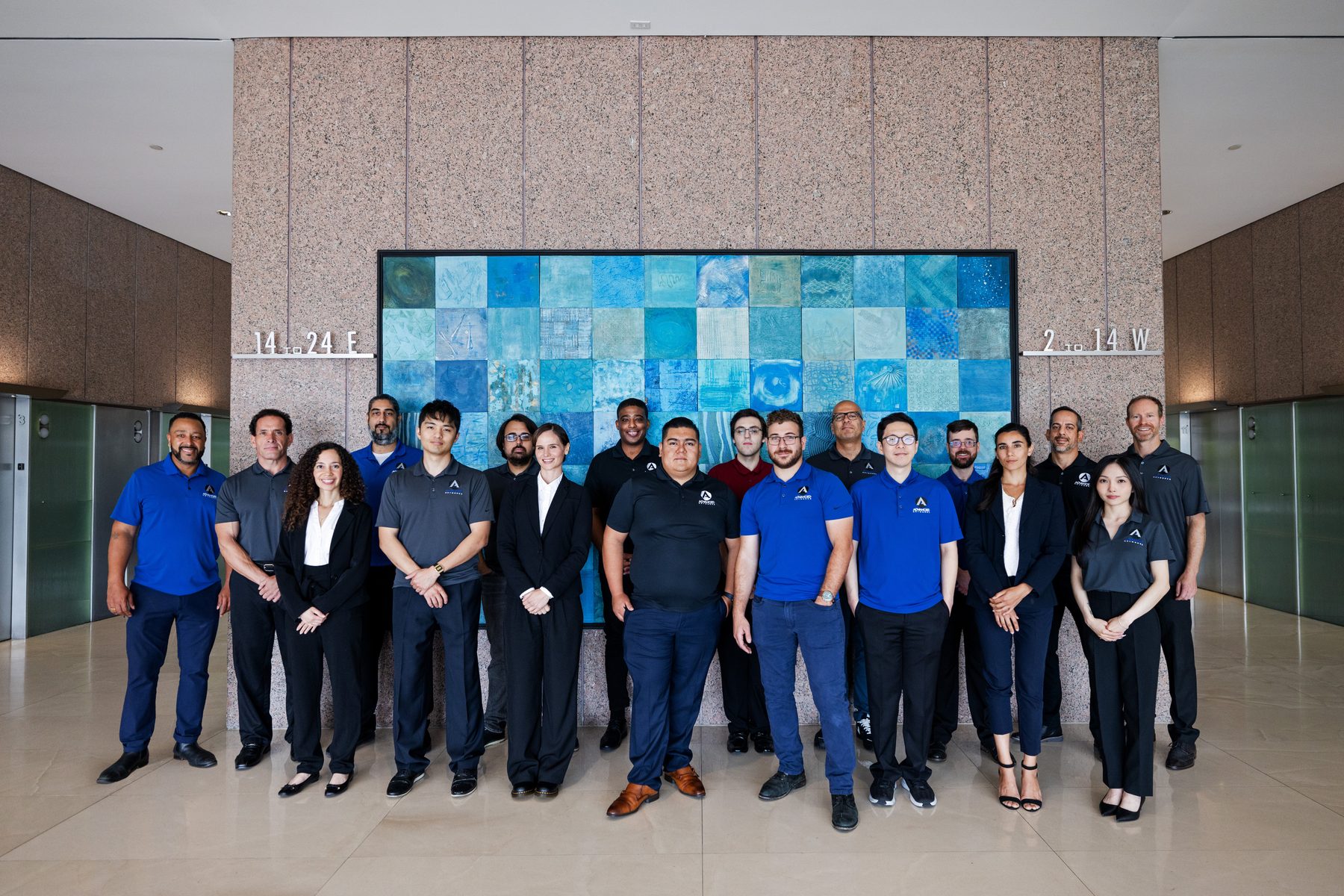
The Advanced Networks team

The Desk That Answers
Eight minutes, any hour
Advanced Networks advisors working with a client

Hands-On When It Counts
Onsite from our Westwood office
The Advanced Networks engineering team

One Accountable Team
No vendor ping-pong
The Framework Behind the Frameworks

What the CSF Is — and What It Is Not

The Cybersecurity Framework is not a certification and not a law. It is a taxonomy: a structured way to describe what your security program does, where it is weak, and what to improve next. That neutrality is why it spread far beyond the U.S. critical infrastructure it was written for — a manufacturer, a law firm, and a hospital can all describe themselves in the same six functions and be understood by auditors, insurers, and customers alike.

CSF 2.0, released in 2024, made two changes that matter for smaller organizations: it added Govern as a first-class function — making explicit that someone must own risk decisions — and it shipped community profiles that scale the framework down to businesses without dedicated security staff. You no longer need to be an enterprise to use it credibly.

In practice we use the CSF as the master map: each control we operate — MFA, EDR, patching, backup, logging, incident response — is tagged to a CSF subcategory. When an insurer, a SOC 2 auditor, and a defense customer each send a questionnaire, the answers come from one maintained profile instead of three scrambles.

  • One profile answers auditors, insurers, and enterprise customers
  • Tier targets set by business risk, not vendor ambition
  • Gap scoring that shows progress quarter over quarter
  • Subcategory mapping to SOC 2, HIPAA, CMMC, PCI, and GLBA controls
8min
Average First ResponseAny hour, any day
<1hr
Urgent Onsite ReachWithin Los Angeles
85%
Resolved ProactivelyBefore you notice
1
Team AccountableHelp desk to root cause
The Six CSF Functions

The Six Functions, Translated Into Plain Work

What each CSF 2.0 function actually asks of your organization

Govern
Name who owns cyber risk, set policy, and put security on the leadership agenda with a recurring cadence — the function that makes the other five stick.
Identify
Inventory what you have: systems, data, vendors, and the risks attached to each. You cannot protect assets you have not listed.
Protect
The controls everyone pictures: MFA, patching, encryption, access management, security training. Most SMB gaps live here — and most are configuration, not purchases.
Detect
Logging, monitoring, and alerting tuned so that a compromised account on Saturday night is a Sunday-morning page, not a Monday surprise.
Respond
A written, rehearsed plan: who isolates systems, who calls the insurer and counsel, who communicates. Decided in advance, not during the incident.
Recover
Tested backups, recovery-time objectives that match business reality, and post-incident reviews that feed fixes back into Protect.
Implementation, Tier by Tier

Implementation Tiers: An Honest Maturity Ladder

The CSF grades how consistently you operate — here is the ladder and where to aim

01
Tier 1: Partial
Security is reactive and undocumented — controls exist where an IT person happened to set them up.
02
Tier 2: Risk Informed
Risks are understood by leadership but practices are inconsistent; policies exist, enforcement varies by team.
03
Tier 3: Repeatable
Policies are established, enforced by tooling, and reviewed on a schedule. Audits stop being frightening here.
04
Tier 4: Adaptive
Controls adapt from lessons learned and threat intelligence — appropriate for high-risk targets and regulated enterprises.
05
Where Most SMBs Should Aim
Tier 3 across Govern, Protect, and Recover is the credible target for most mid-sized businesses — sufficient for insurers, SOC 2, and enterprise procurement.
06
How We Move You Up
Quarterly: reassess the profile, close the highest-leverage gaps, re-score. The tier rises as an outcome of operations, not paperwork.
Working With Us

What Clients Say About Our Support

LA companies on the switch — cost, coverage, and control.

★★★★★

“When our IT guy left, we outsourced instead of rehiring. Coverage tripled, spend dropped 30%, and nobody has looked back.”

Brian Foster CFO, Horizon Cloud Software · Santa Monica
★★★★★

“The transition month was the tell: everything documented, nothing lost, tickets closing same-day by week two.”

Emily Carter Chief Financial Officer, Blue Harbor Technologies · Westwood
★★★★★

“We grew from one warehouse to three. IT scaled with a phone call — no hiring, no drama, same flat structure.”

James Bennett IT Director, Summit Digital Systems · Glendale
Straight Answers

NIST Cybersecurity Framework FAQ

What LA owners ask before outsourcing IT.

Is NIST CSF mandatory for private companies?
No — it is voluntary for private business. It becomes contractually relevant when customers, insurers, or agencies reference it, and CMMC in particular is built on NIST 800-171 controls that map directly to CSF categories. Adopting it voluntarily is usually cheaper than reconstructing it under contract pressure later.
Can a small business realistically implement the CSF?
Yes, with scoping honesty. The CSF scales: a 50-person firm does not implement all 106 subcategories — it selects a community profile, targets Tier 3 in the functions that matter, and grows from there. The mistake is treating it as all-or-nothing.
How does the CSF relate to SOC 2, HIPAA, or CMMC?
Think of the CSF as the index and the others as chapters. SOC 2 trust criteria, HIPAA Security Rule safeguards, and CMMC practices each map onto CSF subcategories. Maintain one CSF profile and each specific framework becomes a filtered view instead of a separate project.
What changed in CSF 2.0?
Three things: a sixth function (Govern) elevating risk ownership to leadership; expanded supply-chain risk guidance; and official community profiles plus quick-start guides that make the framework usable below the enterprise tier.
How long does implementation take?
A baseline profile takes two to three weeks. Reaching a Tier 3 target across priority functions typically runs one to three quarters depending on gap depth — most of it remediation work you would want anyway: MFA coverage, patch discipline, tested backups, incident planning.
Does the CSF satisfy cyber insurance requirements?
Increasingly, yes — many carriers now phrase their questionnaires in CSF terms. More importantly, the specific controls carriers require (MFA, EDR, offline backups, incident response plans) all live inside Protect, Detect, and Recover, so a maintained profile answers the application honestly.

Advanced Networks — Los Angeles Office · Cybersecurity Compliance Services · Compliance Readiness Assessment · Open 24 hours

Explore the rest of our Los Angeles services: CMMC Compliance · Vulnerability Assessments · Virtual CISO Services · Cyber Insurance Compliance · Cyber Security Services — or compare with our Manufacturing IT Services.

Get Started

Get a Six-Function Baseline of Your Security Program

One profile, scored honestly, with the highest-leverage improvements identified — the starting point for every framework you will ever be asked about.