How can you enhance cybersecurity to protect your sensitive data? For LA & OC Businesses

The Growing Importance of CybersecurityThe Growing importance of Cyber Security

In the rapidly evolving landscape of the digital age, the growing importance of cybersecurity cannot be overstated. As technology continues to advance, our reliance on interconnected systems, cloud computing, and digital platforms has become increasingly integral to both personal and organizational operations. With this dependence, however, comes a heightened vulnerability to malicious cyber threats. Cybersecurity, therefore, plays a pivotal role in ensuring the integrity, confidentiality, and availability of sensitive data in this interconnected world.

The Pervasive Threats to Sensitive Data

The proliferation of cyber threats poses a substantial risk to sensitive data across various sectors. From financial institutions to healthcare organizations, and from government agencies to private enterprises, no entity is immune to the diverse range of threats such as ransomware, phishing attacks, and data breaches. The potential consequences of these threats extend beyond financial losses to include reputational damage and, in some cases, compromise of national security. Acknowledging the pervasive nature of these threats underscores the urgency of implementing robust cybersecurity measures.

The Need for a Comprehensive Approach

Addressing cybersecurity challenges requires a comprehensive and multifaceted approach. A fragmented response is inadequate against the sophisticated tactics employed by cyber adversaries. A holistic strategy encompasses proactive risk management, stringent access controls, continuous monitoring, and ongoing education and training for personnel. Additionally, staying abreast of emerging threats and evolving technologies is imperative in adapting security measures to effectively thwart new and advanced cyber threats. By adopting a comprehensive approach, organizations can establish a resilient defense against the ever-evolving landscape of cyber risks, safeguarding sensitive data and fortifying their digital ecosystems.

Understanding the Threat Landscape

Evolving Cyber Threats

  1. Malware and Ransomware Attacks: Malware and ransomware attacks represent a persistent and evolving threat in the digital landscape. Malicious software, or malware, is designed to infiltrate computer systems with the intent of causing harm, such as stealing sensitive information or disrupting normal operations. Ransomware, a specific type of malware, encrypts a victim’s files and demands a ransom for their release. These attacks continue to adapt, leveraging sophisticated techniques to evade detection and target both individuals and organizations.
  2. Phishing and Social Engineering: Phishing and social engineering tactics exploit human psychology to manipulate individuals into divulging confidential information or performing actions that may compromise security. Phishing involves deceptive emails, messages, or websites that appear legitimate but are crafted to trick recipients into providing sensitive data. Social engineering goes beyond technology, relying on psychological manipulation to gain unauthorized access. As these tactics become more sophisticated, individuals and organizations must remain vigilant and employ effective cybersecurity awareness programs.
  3. Insider Threats: Insider threats involve individuals within an organization who misuse their access and privileges to compromise security. These threats may be intentional, such as disgruntled employees seeking revenge, or unintentional, such as employees inadvertently disclosing sensitive information. Organizations need to implement robust access controls, monitor employee activities, and foster a culture of cybersecurity awareness to mitigate the risks associated with insider threats.

Targeted Industries and Vulnerabilities:

Cyber threats are not evenly distributed across all industries; certain sectors are more frequently targeted due to the nature of their operations or the value of the data they handle. Financial institutions, healthcare organizations, and government agencies are often prime targets due to the abundance of sensitive information they possess. Vulnerabilities arise from outdated software, unpatched systems, or inadequate cybersecurity measures. Organizations must conduct regular risk assessments and invest in comprehensive cybersecurity strategies to address industry-specific challenges.

Real-world Examples of Data Breaches:

Examining real-world examples of data breaches provides valuable insights into the consequences of cybersecurity vulnerabilities. Incidents such as the Equifax breach in 2017, where personal information of millions was compromised, underscore the importance of securing sensitive data. Additionally, the SolarWinds supply chain attack in 2020 highlighted the potential risks associated with third-party dependencies. These incidents emphasize the need for proactive cybersecurity measures, including continuous monitoring, incident response plans, and collaboration within the cybersecurity community.

In summary, comprehending the evolving cyber threat landscape requires an awareness of the diverse tactics employed by malicious actors, industry-specific vulnerabilities, and real-world examples of data breaches. This understanding is crucial for individuals and organizations to develop effective cybersecurity strategies and safeguard against the ever-changing digital threats.

Key Principles of Cybersecurity

Confidentiality, Integrity, and Availability (CIA Triad):

The CIA Triad is a foundational concept in cybersecurity, outlining three essential principles that form the basis of a robust security framework.

Confidentiality:

Confidentiality ensures that sensitive information is protected from unauthorized access. This principle focuses on limiting access to data and resources only to those who are authorized. Encryption, access controls, and secure communication protocols are key components in maintaining confidentiality. By implementing these measures, organizations can safeguard proprietary information, personal data, and intellectual property from potential breaches.

Integrity:

Integrity emphasizes the accuracy and reliability of data and systems. The goal is to prevent unauthorized alteration or tampering of information. Implementing data integrity measures involves using checksums, digital signatures, and access controls. By ensuring the consistency and trustworthiness of data, organizations can maintain the reliability of their systems and build trust with users.

Availability:

Availability ensures that systems and data are accessible and functional when needed. Downtime or disruptions can have severe consequences, making it crucial to design systems that are resilient and capable of withstanding various attacks or failures. Redundancy, failover mechanisms, and disaster recovery plans are integral to maintaining availability. By minimizing downtime, organizations can ensure that critical services remain operational and accessible to users.

Defense-in-Depth Strategy:

The Defense-in-Depth strategy involves implementing multiple layers of security controls to protect against a diverse range of cyber threats. This approach recognizes that no single security measure can provide absolute protection, and a combination of defenses is necessary to create a comprehensive security posture.

Network Security:

Securing the network involves using firewalls, intrusion detection and prevention systems, and virtual private networks (VPNs) to monitor and control incoming and outgoing traffic. By implementing these measures, organizations can defend against unauthorized access and mitigate the risk of network-based attacks.

Endpoint Security:

Protecting individual devices such as computers, smartphones, and servers is crucial. Endpoint security measures include antivirus software, endpoint detection and response (EDR) tools, and device encryption. This helps prevent malware infections, unauthorized access, and data breaches originating from individual devices.

Physical Security:

Physical security is often overlooked but is a critical component of defense in depth. Securing data centers, server rooms, and other critical infrastructure against physical threats like theft, vandalism, or natural disasters complements digital security measures and ensures the overall resilience of an organization’s infrastructure.

Continuous Monitoring and Threat Detection:

Continuous monitoring involves the real-time observation of systems, networks, and data to identify and respond to security incidents promptly. This proactive approach is essential for staying ahead of evolving cyber threats.

Security Information and Event Management (SIEM):

SIEM systems aggregate and analyze log data from various sources to detect and respond to security incidents. By correlating events and identifying patterns, organizations can swiftly identify abnormal activities and potential threats.

Intrusion Detection Systems (IDS) and Intrusion Prevention Systems (IPS):

IDS and IPS are critical components for monitoring and preventing unauthorized access. IDS detects suspicious activities, while IPS actively blocks or mitigates potential threats in real-time. Together, they enhance an organization’s ability to respond to security incidents promptly.

Vulnerability Management:

Regularly assessing and patching vulnerabilities in software, systems, and networks is crucial for maintaining a secure environment. Continuous monitoring allows organizations to identify and address vulnerabilities promptly, reducing the risk of exploitation by malicious actors.

In conclusion, the key principles of confidentiality, integrity, and availability, coupled with the defense-in-depth strategy and continuous monitoring, form the cornerstone of effective cybersecurity. By adopting these principles, organizations can establish a resilient and adaptive security posture in the ever-evolving landscape of cyber threats.

Building a Robust Cybersecurity Framework

Building a robust cybersecurity framework is imperative in today’s digital landscape to safeguard sensitive information and maintain the integrity of systems. This framework encompasses various components aimed at identifying, mitigating, and preventing cyber threats. Let’s delve into key aspects of such a framework:

Risk Assessment and Management:

  • Identifying and Prioritizing Assets:

Begin by cataloging all organizational assets, ranging from hardware and software to data repositories. Prioritize these assets based on their criticality to business operations and the potential impact of a security breach.

  • Assessing Vulnerabilities and Threats:

Conduct regular vulnerability assessments to identify potential weaknesses in systems. Simultaneously, assess current and emerging threats that could exploit these vulnerabilities. Prioritize these threats based on their likelihood and potential impact.

Access Control and Authentication:

Implementing stringent access controls is crucial for preventing unauthorized access to sensitive information.

User Access Management:

Define and enforce user roles and permissions, ensuring that individuals have access only to the resources necessary for their roles.

Multi-Factor Authentication (MFA):

Enhance access security by implementing MFA, requiring users to provide multiple forms of identification before gaining access.

Encryption for Data Protection:

Utilize encryption to protect data at rest and in transit, mitigating the risk of unauthorized access.

Data-at-Rest Encryption:

Encrypt stored data to prevent unauthorized access in case of physical theft or unauthorized access to storage devices.

Data-in-Transit Encryption:

Implement secure communication protocols to encrypt data during transmission, safeguarding it from interception and tampering.

Regular Software Updates and Patch Management:

Frequently updating software is crucial to addressing vulnerabilities and improving overall system security.

Patch Management:

Establish a robust patch management system to regularly update and patch software vulnerabilities. This includes operating systems, applications, and firmware.

Vulnerability Scanning:

Conduct regular vulnerability scans to identify and prioritize systems and software that require immediate attention.

By integrating these components, organizations can create a resilient cybersecurity framework that adapts to evolving threats. Continuous monitoring, regular training, and adapting to emerging cybersecurity trends will further strengthen the overall security posture. Remember, cybersecurity is an ongoing process that requires vigilance and proactive measures to stay ahead of potential threats.

Employee Training and Awareness

Importance of Cybersecurity Education:

In today’s interconnected digital landscape, cybersecurity education is paramount. Employees are often the first line of defense against cyber threats. Understanding the fundamentals of cybersecurity empowers them to recognize potential risks, safeguard sensitive information, and contribute to the overall security of the organization. Cybersecurity education should cover various topics such as identifying social engineering tactics, recognizing malicious software, and understanding the importance of data privacy.

Recognizing and Avoiding Phishing Attempts:

Phishing attacks remain a prevalent threat, and employees must be equipped with the knowledge to identify and thwart these attempts. Training programs should educate employees on the common characteristics of phishing emails, such as suspicious links, unexpected attachments, or requests for sensitive information. Regular simulated phishing exercises can provide hands-on experience, helping employees develop a heightened sense of skepticism and critical thinking when interacting with emails or other communication channels.

Best Practices for Password Management:

Passwords are the frontline defense for securing access to sensitive systems and information. Training should emphasize the importance of creating strong, unique passwords and the risks associated with using easily guessable ones. Employees should be educated on the significance of multi-factor authentication (MFA) and its role in adding an extra layer of security. Regular updates on password policies and best practices, coupled with guidance on securely storing passwords, contribute to a robust defense against unauthorized access.

In summary, an effective Employee Training and Awareness program in cybersecurity serves as a proactive measure against evolving cyber threats. By instilling a culture of security consciousness, organizations can minimize the risk of breaches, protect sensitive data, and foster a resilient cybersecurity environment. Regular updates and refresher courses ensure that employees stay informed about the latest threats and maintain a vigilant stance in the face of ever-changing cybersecurity challenges.

Implementing Advanced Technologies

Implementing Advanced Technologies in cybersecurity is crucial for safeguarding digital assets and mitigating evolving threats. Three key components that play a pivotal role in fortifying cyber defenses are Artificial Intelligence (AI) and Machine Learning (ML), Next-Generation Firewalls (NGFWs), and Endpoint Security Solutions.

Artificial Intelligence and Machine Learning in Cybersecurity:

Artificial Intelligence and Machine Learning have revolutionized the field of cybersecurity by enabling proactive threat detection and response. AI algorithms can analyze vast amounts of data in real-time, identifying patterns and anomalies that might go unnoticed by traditional security measures. Machine Learning models continuously learn from new data, adapting to emerging threats and enhancing the overall efficacy of cybersecurity systems. AI-driven tools also automate routine tasks, allowing cybersecurity professionals to focus on strategic decision-making and threat intelligence analysis.

Next-Generation Firewalls:

Next-Generation Firewalls (NGFWs) represent a significant leap forward from traditional firewalls. These advanced security solutions combine traditional firewall capabilities with additional features such as intrusion prevention, application awareness, and deep packet inspection. NGFWs operate at the application layer, providing granular control over network traffic and preventing unauthorized access. With the ability to analyze and filter content, NGFWs enhance security by blocking malicious websites, malware, and other threats. Additionally, they offer advanced threat intelligence and can integrate with other security components to create a comprehensive defense strategy.

Endpoint Security Solutions:

Endpoint Security Solutions focus on protecting individual devices (endpoints) such as computers, mobile devices, and servers. With the increasing sophistication of cyber threats, securing endpoints has become paramount. These solutions encompass antivirus software, encryption tools, and advanced threat detection capabilities. Endpoint protection employs a multi-layered approach, combining signature-based detection, behavioral analysis, and heuristic analysis to identify and thwart diverse threats. As remote work becomes more prevalent, ensuring the security of endpoints is crucial for maintaining the integrity of organizational networks.

In conclusion, the implementation of AI and ML in cybersecurity enhances threat detection and response, NGFWs provide advanced network defense, and Endpoint Security Solutions secure individual devices in an interconnected digital landscape. Combining these advanced technologies creates a robust cybersecurity framework that is adaptive, proactive, and capable of defending against the ever-evolving threat landscape. Organizations that invest in these technologies not only bolster their security posture but also position themselves to stay ahead in the ongoing arms race against cyber adversaries.

Collaborative Approaches to Cybersecurity

Collaborative approaches to cybersecurity have become increasingly crucial in addressing the ever-evolving landscape of cyber threats. Organizations and governments worldwide recognize the need to work together to strengthen their collective defenses and ensure the resilience of critical infrastructures. Three key pillars of collaborative cybersecurity efforts include Public-Private Partnerships, Information Sharing and Threat Intelligence, and adherence to Industry Standards and Regulations.

Public-Private Partnerships (PPP):

Public-Private Partnerships play a pivotal role in fostering collaboration between government entities and private organizations. By leveraging the strengths of both sectors, PPPs can facilitate the exchange of information, resources, and expertise. Governments can provide regulatory frameworks, threat intelligence, and law enforcement capabilities, while private entities contribute innovative technologies, operational insights, and real-time data on emerging threats. This synergy enhances the overall cybersecurity posture and enables a more comprehensive response to cyber incidents.

Information Sharing and Threat Intelligence:

Timely and accurate information is a critical asset in the cybersecurity realm. Establishing mechanisms for information sharing and threat intelligence exchange allows organizations to stay ahead of cyber adversaries. Collaborative platforms enable the swift dissemination of threat indicators, attack patterns, and vulnerabilities among participating entities. This collective knowledge empowers organizations to proactively implement security measures, update defenses, and respond effectively to emerging threats. Initiatives such as the sharing of cybersecurity incident reports and best practices contribute to a more resilient and interconnected cybersecurity ecosystem.

Industry Standards and Regulations:

Adherence to industry standards and regulations is fundamental for establishing a baseline of cybersecurity practices across different sectors. Collaborative efforts in developing and implementing these standards ensure a unified and robust defense against cyber threats. Governments and industry stakeholders work together to define and enforce regulations that promote cybersecurity best practices, data protection, and incident response protocols. Compliance with these standards not only strengthens individual organizations but also fosters a culture of shared responsibility, creating a more secure digital environment for all stakeholders.

In conclusion, collaborative approaches to cybersecurity, including Public-Private Partnerships, Information Sharing and Threat Intelligence, and Industry Standards and Regulations, are essential for combating the dynamic and sophisticated nature of cyber threats. By leveraging the collective strength of governments, private sector entities, and regulatory frameworks, the global community can create a more resilient and secure cyberspace for the benefit of individuals, businesses, and nations alike.

Incident Response and Recovery

Incident Response and Recovery (IRR) is a crucial component of an organization’s cybersecurity framework, encompassing a systematic approach to handling and mitigating security incidents. This involves the development of a robust Incident Response Plan (IRP), regular testing of incident response procedures, and a continuous learning process from past incidents to enhance future responses.

Developing an Incident Response Plan (IRP):

Creating a comprehensive Incident Response Plan is foundational to effective incident management. The IRP should outline a well-structured and documented set of procedures to follow when a security incident occurs. This involves defining the roles and responsibilities of the incident response team, establishing communication channels, and determining the escalation process. The plan should also include incident identification, containment, eradication, recovery, and lessons learned phases. Regularly updating and refining the IRP in response to changes in the threat landscape, technology, or organizational structure is essential to ensure its effectiveness.

Regularly Testing Incident Response Procedures:

Testing incident response procedures through simulation exercises is vital for assessing the preparedness of the organization to handle real-world security incidents. These exercises can take the form of tabletop simulations, red teaming, or even full-scale drills. Testing helps identify gaps or weaknesses in the incident response process, enabling organizations to refine their procedures and train their response teams effectively. Regular testing not only validates the efficacy of the IRP but also ensures that personnel are familiar with their roles and can respond promptly and effectively in a high-pressure situation.

Learning from Past Incidents to Improve Future Responses:

Post-incident analysis plays a critical role in enhancing an organization’s resilience to cyber threats. After an incident is successfully mitigated, a thorough review should be conducted to identify the root causes, tactics, techniques, and procedures employed by the threat actor. This analysis should extend beyond technical aspects to include an examination of procedural and human factors. Documenting these findings and incorporating them into the organization’s knowledge base allows for continuous improvement. This iterative process helps organizations adapt their IRPs, update security controls, and provide additional training to personnel based on the lessons learned from each incident.

In summary, Incident Response and Recovery is a dynamic and evolving aspect of cybersecurity, requiring proactive measures such as the development of a comprehensive IRP, regular testing of procedures, and a continuous learning culture that draws insights from past incidents. By adhering to these principles, organizations can strengthen their ability to detect, respond to, and recover from security incidents effectively.

Regulatory Compliance

Regulatory Compliance in the realm of data protection is a critical facet that organizations must meticulously navigate to uphold the integrity of their operations. This entails a comprehensive understanding of various data protection regulations worldwide.

Overview of Data Protection Regulations:

In today’s interconnected digital landscape, data protection regulations have become increasingly stringent to safeguard individuals’ privacy and maintain the trust of stakeholders. A pivotal aspect is the General Data Protection Regulation (GDPR) in the European Union, which sets a high standard for data protection globally. It mandates organizations to acquire explicit consent for data processing, disclose data usage purposes, and implement robust security measures.

Additionally, other jurisdictions, such as the California Consumer Privacy Act (CCPA) in the United States and the Personal Information Protection and Electronic Documents Act (PIPEDA) in Canada, have introduced similar frameworks. These regulations emphasize transparency, accountability, and the rights of individuals concerning their personal information.

Ensuring Compliance with Global Standards:

To navigate the complex landscape of data protection regulations, organizations need to adopt a proactive approach. This involves establishing a robust compliance framework that aligns with global standards. Implementing privacy by design principles, conducting regular privacy impact assessments, and appointing a Data Protection Officer are essential steps in this direction.

Moreover, organizations operating across borders must be cognizant of the variances in regulations. Tailoring compliance strategies to adhere to specific jurisdictional requirements ensures a comprehensive and adaptable approach. Utilizing encryption technologies, access controls, and secure data storage practices further fortify an organization’s commitment to global data protection standards.

Transitioning seamlessly between these global standards demands ongoing vigilance, necessitating regular updates to policies and practices in response to evolving regulatory landscapes. This adaptability is crucial to fostering a culture of compliance within an organization.

Penalties for Non-Compliance:

Non-compliance with data protection regulations can have severe consequences, both financially and reputationally. Regulatory bodies have the authority to impose substantial fines for violations, with penalties often scaling proportionally to the severity of the breach. Beyond financial repercussions, organizations may face legal actions, damaged reputations, and a loss of customer trust.

Understanding the potential penalties for non-compliance underscores the importance of a proactive and vigilant approach to regulatory adherence. Organizations must invest in robust data protection measures not only to mitigate the risk of financial penalties but also to demonstrate a commitment to ethical data handling practices.

In conclusion, navigating the intricate landscape of regulatory compliance in data protection necessitates a comprehensive understanding of global standards, a proactive approach to compliance, and a keen awareness of the penalties for non-compliance. By embracing these principles, organizations can safeguard sensitive information, foster trust, and navigate the evolving regulatory terrain with confidence.

The Future of Cyber Security

The landscape of cybersecurity is continually evolving, shaped by emerging technologies and the ever-present threat of malicious actors. As we peer into the future of cybersecurity, several key elements stand out, underscoring the need for constant vigilance and innovation in the realm of digital defense.

Emerging Technologies and Threats:

In the dynamic realm of cybersecurity, staying ahead of emerging technologies is paramount. The proliferation of Internet of Things (IoT) devices, 5G networks, and quantum computing brings both promises and perils. The interconnectivity of IoT devices expands the attack surface, while the unprecedented processing power of quantum computing poses a potential threat to traditional encryption methods.

Furthermore, as technology advances, so do the techniques employed by cybercriminals. The rise of artificial intelligence (AI) in cyberattacks is a growing concern. AI-powered malware can adapt and evolve in real-time, making it increasingly difficult for conventional security measures to keep pace. As we embrace innovations like smart cities, autonomous vehicles, and decentralized networks, the attack vectors diversify, necessitating a proactive and adaptive approach to cybersecurity.

The Role of Artificial Intelligence in Enhancing Security:

Artificial intelligence is not merely a double-edged sword; it is also the shield in the ongoing battle for digital security. AI, when harnessed for defensive purposes, can fortify cybersecurity infrastructure by autonomously identifying and mitigating threats. Machine learning algorithms can analyze vast datasets, detecting patterns and anomalies that may elude human observation.

Moreover, AI can enhance incident response times, providing a swift and effective countermeasure against cyber threats. From predictive analysis to behavioral analytics, artificial intelligence serves as a force multiplier, enabling cybersecurity professionals to anticipate and thwart attacks before they manifest fully.

While AI contributes significantly to defensive strategies, ethical considerations and the risk of adversaries leveraging AI for malicious purposes must not be overlooked. Striking a delicate balance between innovation and security is imperative as the symbiotic relationship between AI and cybersecurity evolves.

Cybersecurity Trends and Predictions:

Looking ahead, several trends and predictions shape the trajectory of cybersecurity. Zero-trust architectures are gaining prominence, advocating for a fundamental shift from perimeter-based security to a model where trust is never assumed, regardless of the user’s location or network connection. This approach reflects the growing realization that traditional defense mechanisms are insufficient in the face of sophisticated cyber threats.

Cloud security continues to be a focal point, with organizations increasingly relying on cloud-based services. This shift prompts the need for robust cloud security measures, emphasizing data encryption, access controls, and continuous monitoring.

As the world becomes more interconnected, the significance of international collaboration in cybersecurity cannot be overstated. Cyber threats transcend borders, demanding a unified and coordinated response from the global community. Governments, businesses, and individuals must collaborate to share threat intelligence, best practices, and resources to fortify the collective defense against cyber adversaries.

The future of cybersecurity is a multifaceted tapestry, woven with the threads of emerging technologies, the symbiotic relationship with artificial intelligence, and the evolving landscape of trends and predictions. Adapting to these dynamics requires a holistic and collaborative approach, ensuring that our digital world remains secure and resilient in the face of ever-evolving cyber threats.

Securing Sensitive Data: Strengthening Cybersecurity Measures for Businesses in the Los Angeles and Orange County Regions.

In conclusion, the continuous evolution of cybersecurity stands as an imperative response to the ever-growing and sophisticated threats in the digital landscape. As technology advances, so do the methods employed by cybercriminals, necessitating a dynamic and proactive approach to safeguarding sensitive data.

The realization of collective responsibility for protecting sensitive data underscores the interconnected nature of our digital world. Organizations, individuals, and governments alike must recognize their role in contributing to a robust cybersecurity ecosystem. Collaborative efforts, information sharing, and the adoption of best practices are essential elements in building a resilient defense against cyber threats.

Looking forward, the path to a secure and resilient cyber landscape requires a multifaceted strategy. Investment in cutting-edge technologies, continuous training and education, and the establishment of international norms and regulations are vital components. Additionally, fostering a culture of cybersecurity awareness and responsibility at all levels will contribute to creating a more secure digital environment.

As we navigate the complex challenges of the digital age, it is crucial to remain vigilant, adaptable, and committed to the ongoing enhancement of cybersecurity measures. By embracing collective responsibility and forging a united front, we can mitigate risks, protect sensitive data, and pave the way for a future where the digital landscape is secure and resilient.

MGM Grand’s Cyber Attack: A Glimpse into the Rising Threat of Hotel Cybersecurity Breaches

MGM Grand Cybersecurity Attack

The MGM Grand Cyber Attack: A Closer Look

In September 2023, one of the largest casino chains, MGM Resorts International experienced a cybersecurity attack that shut down operations in multiple casinos in Las Vegas and also throughout the United States. None of the Casino’s guest were able to get into their rooms or use electronic casino games. After some time, MGM Grand was able to continue operations, but had do go without their technology and were forced to conduct business manually.

According to a report from the malware archive vx-underground, the cyber attack that resulted in the shutdown of MGM Grand casinos on Monday has been attributed to the ransomware group ALPHV, also known as BlackCat. The archive suggests that ALPHV managed to gain unauthorized access to the company’s systems through social engineering techniques, effectively disrupting the operations of MGM Resorts International properties across the United States within a mere 10-minute timeframe.

This attack could end up being a problem for anyone who has every made a transaction with MGM Grand, because the Cyber Criminals are after personal information including payment information.  Unlike most cyber attacks to hotels, this attack was able to disrupt MGM Grands operations. Currently, the FBI is investigating the attacks while the MGM Grand is looking for a solutions to this Cyber Attack.


In February 2020, one of the largest hotel chains in the world, MGM Resorts International, found itself at the center of a significant cyber attack. The incident exposed personal information of nearly 10.6 million guests who had stayed at MGM properties. The compromised data included names, phone numbers, and addresses. Fortunately, no financial or payment data was compromised in this breach.


The attack involved unauthorized access to a cloud server containing guests’ information, and it was reported that the attacker had gained access to this data as early as 2017. This incident shed light on the importance of cybersecurity within the hotel industry and the need for stronger measures to protect guest data.


Why Are Cyberattacks on Hotels Becoming More Common?


Valuable Data: Hotels collect and store a vast amount of personal and financial data about their guests. This information is a goldmine for cybercriminals, making hotels prime targets for data breaches. With a single successful attack, hackers can gain access to a treasure trove of sensitive information.


Legacy Systems: Many hotels still rely on legacy systems for their operations, which may lack the robust security features of modern technology. These outdated systems are often more susceptible to cyberattacks, making them attractive targets.


Hospitality Industry’s Digital Transformation: The hospitality industry has undergone significant digital transformation in recent years. While this has improved guest experiences, it has also created new entry points for cybercriminals. Online booking systems, mobile apps, and smart room technology have all introduced potential vulnerabilities.


Insider Threats: Hotels employ a diverse workforce with access to sensitive guest data. Insider threats, whether intentional or accidental, can lead to data breaches. Proper employee training and access control are crucial to mitigating this risk.


Lack of Cybersecurity Awareness: Some hotels, especially smaller establishments, may not prioritize cybersecurity as much as larger corporations. This oversight can leave them ill-prepared to defend against cyberattacks.


The Impact of Hotel Cyberattacks


Reputation Damage: A cyberattack on a hotel can tarnish its reputation. Guests expect their personal data to be handled securely, and a breach can erode trust in the brand.


Legal Consequences: Hotel chains that fail to protect guest data can face legal repercussions, including fines and lawsuits.


Financial Loss: Recovering from a cyberattack can be costly. Hotels may have to invest in cybersecurity measures, compensate affected guests, and deal with the financial fallout from lost bookings and reputational damage.


Industry-Wide Ramifications: A high-profile cyberattack on a hotel can have broader implications for the entire hospitality industry. It serves as a warning to other hotels to bolster their cybersecurity measures.


Protecting Against Hotel Cyberattacks


Invest in Cybersecurity: Hotels must allocate resources to cybersecurity, including the adoption of modern security technologies and regular security audits.


Employee Training: Staff should be educated on cybersecurity best practices and the importance of safeguarding guest data.


Data Encryption: Sensitive data should be encrypted to prevent unauthorized access.


Regular Updates: Keep software and systems up to date to patch vulnerabilities.


Incident Response Plan: Develop a robust incident response plan to minimize damage in the event of a cyberattack.


The MGM Grand cyber attack illustrates the increasing threat of cyberattacks on hotels, a trend that shows no signs of slowing down. As the hospitality industry continues to embrace digital transformation, it must also prioritize cybersecurity to protect both guest data and its own reputation. Vigilance, investment in technology, and a commitment to training staff are essential steps toward defending against this growing threat. Hotels must understand that in the digital age, safeguarding guest information is as important as providing exceptional service.

Orange County IT Services: Why You Need More Than a Firewall for Your Cybersecurity

Why You Need More Than a Firewall for Your Cybersecurity

Orange County managed services

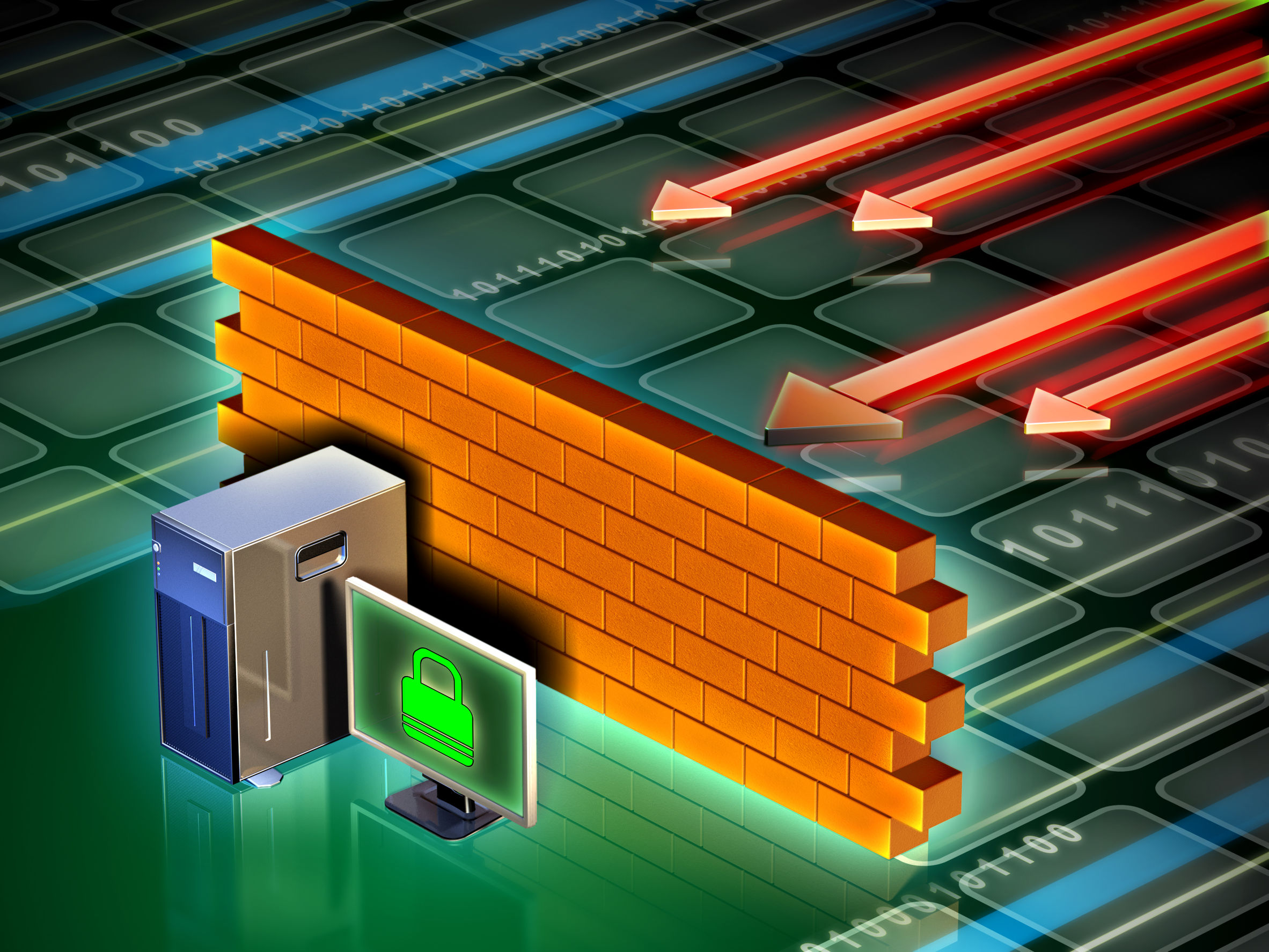
Orange County IT services providers encourage businesses to install firewalls as a defense mechanism for cybersecurity. However, this should only act as the first line of defense. A firewall alone cannot fully protect your network from unauthorized access; the system can be compromised and penetrated easily. For instance, most businesses have adopted a BYOD work environment where employees are allowed to work using their mobile devices. In addition, some even work from home or from wherever they may be. Given these circumstances, you cannot rely on a firewall alone to keep your company’s data or clients’ information safe.

The following are more reasons justifying that firewalls alone are not enough security for your business data:

They Can Easily Be Hacked

No security measure is 100% perfect. Hackers will always find ways to compromise or breach a system. They will exploit any weakness in the firewall’s configuration or even bypass it completely by manipulating an employee. It is even worse if the firewall has been used for long because legacy systems are always more vulnerable.

Firewalls are Only Effective for Office Network

As far as cybersecurity is concerned, firewalls only protect the network within the office. This means that any instance when an employee accesses work files from a mobile device, the data becomes vulnerable. Connecting to some public Wi-Fi somewhere, like in a hotel, also renders your security data security vulnerable. Hackers will always find a way of surpassing a firewall. They could set up a fake Wi-Fi hotspot and cause a data breach. Orange County IT services provider can help you create security policies for a mobile work environment to avoid falling victim to a possible data breach.

Insider Threats Will Surpass a Firewall

A hacker may want to get into your systems using malicious emails. An employee will probably receive an email that requires him or her to click on a certain link. Most employees may be aware of such phishing scams and they will not click that link. However, some will unknowingly click. Once done, this means that the hacker gets hold of your system and the firewall cannot prevent the obvious from happening.

For efficient cybersecurity, Orange County IT services providers recommend that you go beyond just a firewall. Take a number of security measures to minimize the chances of a security breach. If you want to learn more about cybersecurity, contact us at Advanced Networks. Our experts will be glad to discuss with you more ways of keeping your business data safe.

IT Consulting in Los Angeles: Areas to Round Out Security

IT consulting in Los AngelesIT consulting firms in Los Angeles approach security from a position which takes into account as many variables as possible. There are dozens of different specific security protocols and solutions, but they can primarily be categorized under three primary security pillars:

  • Security of the network
  • Security of information
  • Cybersecurity solutions

Security of the Network

IT consulting firms in Los Angeles will often expend a great deal of energy ensuring network security as best as they can. The network has a differing level of vulnerability when compared to other levels of operations, as an infected network can undermine everything. For this reason, many tech experts advise operational compartmentalization so aspects of the network can be isolated in the event of intrusion. Additionally, strong firewalls should be put in place for the protection of the network, as should Mobile Device Management (MDM). Mobile devices used specifically and incidentally will likely impact your network. If you don’t have some security protocol in place, you’re apt to be undermined.

Security of Information

Encryption is the chief word to consider here because it tends to tell the story rather well. Your information needs to be secured, whether it be physical or digital. Data is apt to exist in number of locations, including the cloud, including internal servers, and including personal/mobile devices. Access is one of the primary ways that information is secured. Internal and external access should be closely monitored, and only those with requisite credentials should have it. The integrity of data must be preserved through means of storage. The data must be easily available as necessary for operational reasons. Lastly, the data must have proper levels of confidentiality–all of which are security solutions best facilitated via MSP.

Cybersecurity Solutions

Cybersecurity doesn’t always directly involve digital protection protocols. A great deal of cybersecurity has to do with the internal education of your employees as regards things like phishing scams and ransomware. There are a variety of threats out there waiting for ignorant or uninformed employees to provide them access to your network. It turns out that the greatest security threats develop internally, and one of the best ways to safeguard against this is to institute security education at regular intervals, as both the threats and security solutions your business will face are going to continue transitioning over time.

Effective Protection

The technology goalposts are always moving forward, and keeping abreast of them requires professional assistance. IT consulting in Los Angeles from Advanced Networks can help you institute effective information, cybersecurity, and network security protocols. Contact us now for the latest in tech security, as well as a full suite of professional technology solutions.

IT Consultants in Los Angeles: Why You Are at Risk of Data Breach

IT Consultants in Los Angeles: Why You Are at Risk of Data Breach

Did you know that instances of data breach have been on the rise past? By now, it’s sure that you have heard of the sad tales of companies that suffered data leaks and breaches and the avalanche of after-effects that followed. As companies strive to secure their networks to guard against these breaches, it is important for you to join in this endeavor. A partnership with one of the leading IT consultants in Los Angeles will afford you the peace of mind which will, in turn, assure you of smooth flow in business.

What is Data Breach and Why Should You Guard Against It?

Simply put, data breach can be defined as an intention or unintentional release of confidential or private data to an environment that is not secure. Today, data is treated as a critical resource, and as thus, it is imperative that this crucial resource is protected at all cost. As seen from the definition, data breach can be intentional, meaning data breach can be an “inside job”, or unintentional, meaning that some malicious hacker can get their hands on your data. Regardless, you need to guard against all forms of data breach because the longevity or success of your business depends on it.

Top 3 Data Breaches of the 21st Century

In a bid to show you just how severe and indiscriminate data breaches have become, IT consultants in Los Angeles have compiled this list of some of the data breaches that have occurred in the 21st Century:

  • Yahoo – Over 3 billion user accounts were affected in what the company believes was an attack from a “state-sponsored actor”. Some of the details that were stolen include real names, dates of birth, email addresses, and telephone numbers of the affected users.
  • Adult Friend Finder – More than 412 million accounts were affected. The affected accounts were those belonging to the FriendFinder Network and had clients’ details spread in subscription websites, such as iCam.com, Penthouse.com, among others.
  • eBay – In 2014, the giant online auction firm reported that it had suffered a cyber attack where it had lost personal and confidential information of over 145 million accounts. The attackers got access to the databases using credentials of three employees working at eBay.

Interested in ensuring that your firm does not join the list of affected firms? If your answer is yes, then we can help. At Advanced Networks, we are one of the leading IT consultants in Los Angeles that specializes in helping companies guard against data breaches. Contact us now for more information.

How to Prioritize Cybersecurity with IT Support in LA

How to Prioritize Cybersecurity with IT Support in LA

IT support LA

Whether you’re a small startup or a large national or multi-national company, cybersecurity is something that you need to think about in our digital age. Preventative digital security practices are essential for ensuring that your company and client data stay safe, so you can work at your most efficient and continue to improve your company’s sales and performance. It’s helpful to employ an IT support in LA to get the best results for your company. Here are some important practices that will help you make digital security a priority for your company:

Educate Your Employees

One of the best ways to prevent cybersecurity issues and system breaches is to educate your employees about these issues. Simple things like keeping your passwords secure and learning to spot dangerous attachments can prevent a total digital disaster. Having an IT support provider in LA to give a presentation on cybersecurity is a simple way to get everyone up to speed, and then your management team can continue reminding employees to keep things secure.

Keep Your Data Securely Backed Up

It’s absolutely vital that you have all your important data backed up at all times. If your data is only stored in one place, it could be lost in the event of a major security breach, system failure, or even a natural disaster. Your data should be stored in a secure cloud to prevent these things from happening. There are a variety of cloud solutions on the market that can be configured to fit your company’s needs and keep your data safe from hackers.

Update Your Systems on a Regular Basis

It’s important to keep your hardware and software up-to-date because technology continues to change and evolve. Tech companies update their products frequently to ensure that they’re as secure as possible. An IT support provider will help you keep your systems up-to-date by setting up automatic updates and bug fixes. Working with an IT professional on this is the most efficient way to do it because they can set up the updates to happen at night or during other times when your employees don’t need to access their computers.

Cybersecurity breaches are simple to prevent with a few simple actions, so it’s important to take the time to set up these preventative measures. They’re a great investment for your company in the long run in terms of safety and security. Contact us at Advanced Networks now to learn more about IT support in LA.

Ensuring Comprehensive Security with IT Consulting in Los Angeles

Ensuring Comprehensive Security with IT Consulting in Los Angeles

IT consulting in Los Angeles

IT consulting firms in Los Angeles make it one of their core prerogatives to facilitate effective security. What this means is— keeping abreast of existing trends and “moving with the flow”, as the saying goes. A business that doesn’t have a core prerogative that concerns technology solutions simply cannot do well. If you don’t believe that, just look up Moore’s Law.

Every 18 months, technology exponentially doubles on itself. This doubling makes its way fully to the public in about three years’ time, but hackers use new tech immediately. And with new technology solutions, new vulnerabilities come. This means, though old problems are solved, new ones arise to take their place. Simply seeking to secure operations isn’t enough. You must be on the cutting edge here, or the odds you’ll experience substantial cybercriminal impediment may be almost certain. To that end, five steps to help you regularly hit the moving target of IT security include:

  • Initial setup of a security protocol designed for continual upgrade
  • Regular backup of data
  • Ensuring admin privileges are closely monitored
  • Ensuring all operating apps are white-listed
  • Regularly patching your network’s software

Initial Security Setup

One of the first things an IT consulting firm in Los Angeles will do is help you establish a security solution that is designed to be upgraded, as well as comprehensive. Antivirus, anti-malware, anti-Trojan programs and protocols will be put into play and updated as necessary. Proactive monitoring is also a plus.

Regular Backup of Data

Cloud computing can make total backup of your data a continuous event, meaning you only lose the time necessary for a reboot if some ransomware scourge slips past the protocols you’ve designed.

Ensure Admin Privileges are Closely Monitored

Who has access to what on your network should be closely protected. Only give trusted, security-educated individuals this information.

Ensure All Operating Apps are White-Listed

Whatever apps you use should be known to be safe for your business. Once safety has been guaranteed, you want such items to be put on a list. This is a “white list” or an “approved list”. Don’t allow any applications to be on your network or to interface with it which aren’t white-listed.

Regular Patching

2017’s North Korean WannaCry attack didn’t affect businesses in the regular practice of applying the most recent patches. Your organization should accordingly ensure patching protocols.

Dependable Security

An IT consulting firm in Los Angeles like Advanced Networks can help you comprehensively fill out this security check-list. Contact us now to find out more!

How IT Support in LA Can Beat Ransomware

How IT Support in LA Can Beat Ransomware

IT support LA

Ransomware has been around most of this decade and still presents challenges to businesses without effective IT support in LA. Like a never-ending riddle, it’s a form of malicious software that keeps growing in sophistication. But that doesn’t mean you have to operate your company in constant fear. Working with an experienced IT provider that stays up-to-date with new technology is the key to a safe and sound network.

Why Ransomware is a Serious Threat

The biggest reason why you need to guard against ransomware is that it can put vulnerable firms out of business quickly. Small startups that try to cut corners on costs without some type of IT support in LA run the greatest risk of collapsing overnight. Attackers prey upon businesses using old technology that’s no longer supported with upgrades. They also try to fool untrained employees with phishing emails that masquerade as trusted colleagues.

A worst-case scenario is when a careless business never bothers to back up data and has no disaster recovery plan because it has nothing to turn to for maintaining business continuity in a cyber attack or natural disaster. That’s a major catastrophe that can lead to a future of big lawsuits if confidential information is breached.

Ransomware is a potential nightmare because it can lock up computers, denying users access until they comply with the attacker’s demand to make a ransom payment with cryptocurrency. Since hackers are con artists, following their orders does not mean they will unlock your computer as the meaner ones might destroy your data anyway.

How IT Services Block Hackers

Just because a company conducts backups regularly and has a disaster recovery plan doesn’t necessarily mean it’s safe from harm. You also need to outsmart hackers in the first place by implementing strong security measures. Antivirus software alone is no longer good enough to shield a business from cyber attacks.

Several strategies can make hackers give up and move on, but in general, the key is to implement a multi-layered security strategy. Just like a chess game, you have to think several moves ahead of your opponent. Here are practical steps for your IT team to take to minimize the risk of an attack:

  • Be proactive by training employees how to spot suspicious emails
  • Back up your data in at least three places including an offsite location
  • Use firewalls, virtualization, or both to make your system harder to penetrate

Due to the rising threat of ransomware, it’s advantageous to partner with an IT support provider in LA. Contact us now at Advanced Networks to learn more about how we can monitor your network and block unwelcome intruders.

Effective Cyber Security IT Services for Your Los Angeles SMB

IT services providers in Los Angeles can save you over $24k a year just by helping to prevent one concerted cybercriminal intrusion. Averaged data recovery costs for SMBs are usually between $36k and $50k, depending. If you are able to attain BDR and/or DRaaS through the right IT solution, you can avoid such expenses. If you are paying $12k a year to save you from $36k to $50k in losses, that is a saving of at minimum, $24k annually.

Over the course of five years, statistically, having the right kind of cyber security solution will definitely save you money. It is not just that the likelihood of being targeted compounds the longer you operate without protection. It is that recovering from even a small cyberattack can be difficult, or impossible. Six out of ten SMBs sustaining such attacks without protection are out of business within six months. When you put on top of that the fact that 50% of cyberattacks target small businesses, the problem becomes especially affecting.

So, what do you do? You find cyber security solutions that are comprehensive and continue to develop as the businesses offering them expand. Several key cyber security options you want to look for include:

  • BDR/DRaaS
  • Antivirus/anti-malware software
  • Helpdesk support
  • Proactive monitoring
  • Employee education solutions

BDR/DRaaS

IT services providers in Los Angeles can provide you Backup and Disaster Recovery (BDR) options which operate from redundancy and continuous backup via cloud computing support. DRaaS refers to Disaster Recovery as a Service. This is an all-encompassing solution, which includes monitoring and may even include things like database mirroring. Cloud computing storage is unlimited, and top-tier packages can make it so that you can backup systems every time some aspect of the network is altered.

Antivirus/Anti-Malware Software

You need software solutions designed to rebuff cybercriminal hack programs like malware, adware, spyware, and perhaps most importantly, ransomware. These are not fully comprehensive but operating without them is catastrophic.

Helpdesk Support

The right helpdesk will be available 24/7/365, and it is staffed with professionals who solve your problems swiftly and do not put you on hold. Additionally, they will resolve 70% to 80% of tier-one issues, saving you time, money, and stressful hassle.

Proactive Monitoring

You are looking for proactive services, not reactive ones. Reactive services are going to miss things. Proactive services will notice anomalous activity, identify it, and act should such a thing become necessary. This will maintain systems and rebuff cybercriminal attacks.

Employee Education Solutions

As it turns out, a good number of compromising situations are going to develop from internal errors made by your own employees. The best way around this is proper education solutions. The right MSP should be able to help you design a system of best practices to codify into a standard operating procedure for your business. Especially in terms of web-usage, caution is fundamentally necessary.

Securing Operations

IT services in Los Angeles through Advanced Networks can help educate your employees, proactively monitor your operations, provide helpdesk support around the clock, install the latest antivirus protocols, and get you back online nigh-instantaneously when all else fails through BDR/DRaaS. If you have not upgraded operational security yet, feel free to contact us and explore our options.

IT Consulting in Los Angeles: 5 Cybersecurity Tips for Small Businesses

Almost any company today depends on IT for some of its commercial operations. With so much dependency on IT and computer networking, even small businesses now have to be wary of security threats. However, there’s a way you can do to fortify the security of your business. Here are 5 cybersecurity tips from IT consulting firms in Los Angeles to help strengthen your cyber defenses:

1. Backups

The foundation of security against both cyber attacks and disasters is the backup. Data you don’t backup is data you don’t want. Consider the data used in your company. If you lost that data, would it cost your business in terms of time or money? If so, you had better back it up.

In fact, the cost of storage has fallen so much that for most companies, and especially for small businesses, buying the storage you need should not be a cost issue.

Remember, however, that local backups may be lost if you suffer a disaster such as fire or flood. Therefore, you need to have a backup strategy that includes both local (accessible faster and more easily) backups and offsite backups that are safe from disasters at the site.

2. Password Strength

Poor password practices cost businesses a lot of money. For greater password strength, use long passwords and include a variety of characters such as numbers and symbols, as well as both uppercase and lowercase letters. Don’t tolerate stale passwords. Change passwords on a regular basis, at least every three months. Do not share passwords.

3. Antivirus and Malware Software

Ensure your business computers and network are safe by using antivirus programs and malware tools. These are not a “fit and forget” solution. The malware and virus definitions need to be updated regularly, and the programs themselves must be kept up-to-date.

4. Operating Systems

New weaknesses and exploits for Windows, MacOS and Linux/Unix are being found every day. Therefore, you need to make sure your laptops, desktop computers, and servers are kept up-to-date. IT consulting firms in Los Angeles advise that any applications your business uses also need to be kept up-to-date to prevent old vulnerabilities that can leave your organization open to hackers.

5. Mobile Devices (BYOD)

With the proliferation of mobile devices, such as phones, tablets, and laptops, it is more and more common for staff to use the same devices for work and personal business. This can create security holes for your business systems and a way for your company data to be lost if a device is stolen or lost. Apply the same rules regarding updates, antivirus, and passwords to BYOD. Use a mobile device management (MDM) system to help manage and mitigate the security pressures raised by BYOD and mobile devices.

You can reduce the security risks for your business by following the tips above. A comprehensive corporate security strategy involves many other points, however. Advanced Networks is one of the leading IT consulting firms in Los Angeles that work with businesses like yours on this very challenge. Contact us now for your business security.